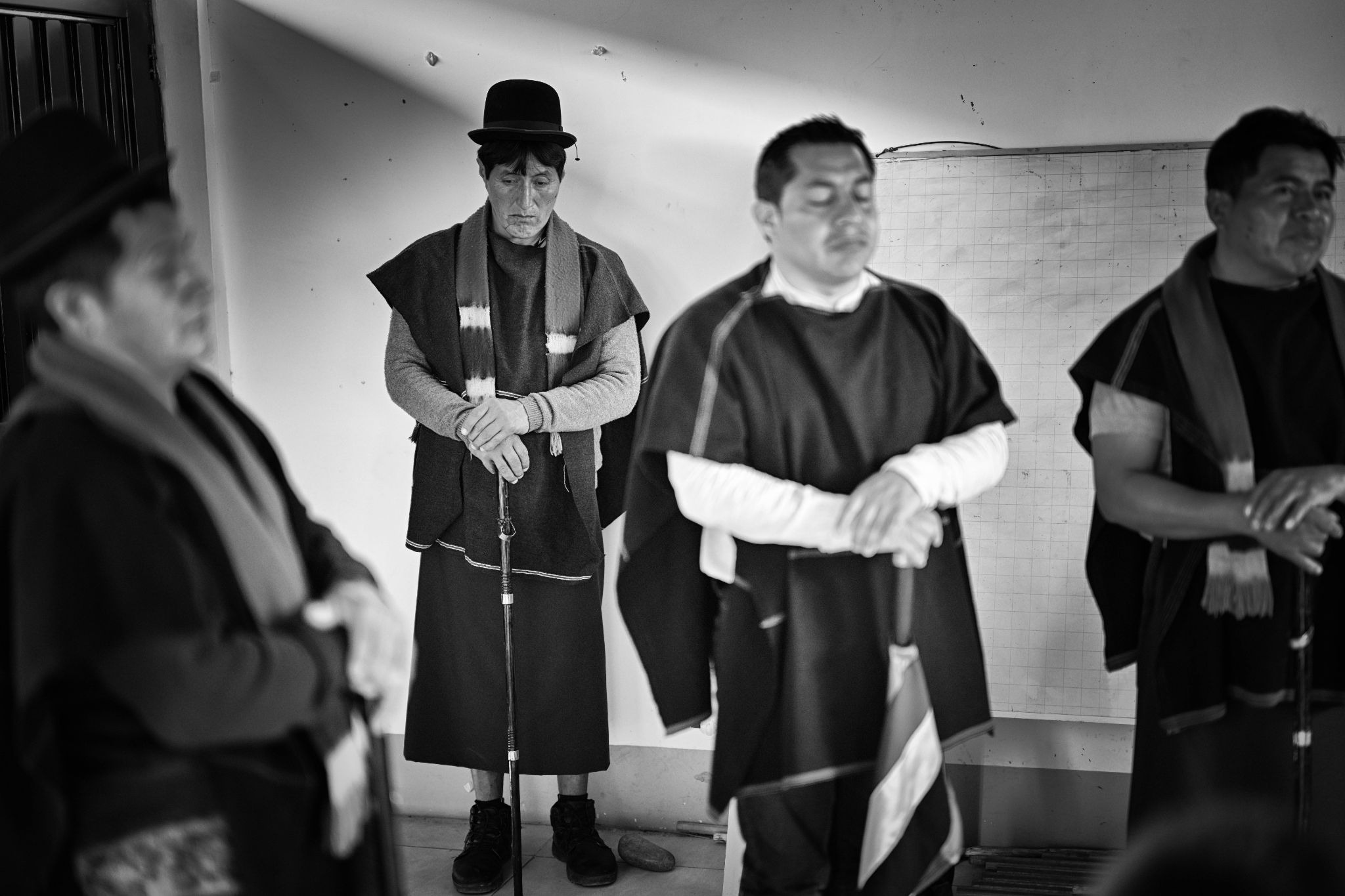
By Andrés Gómez. Photography: Manuel Ortiz. Terra360
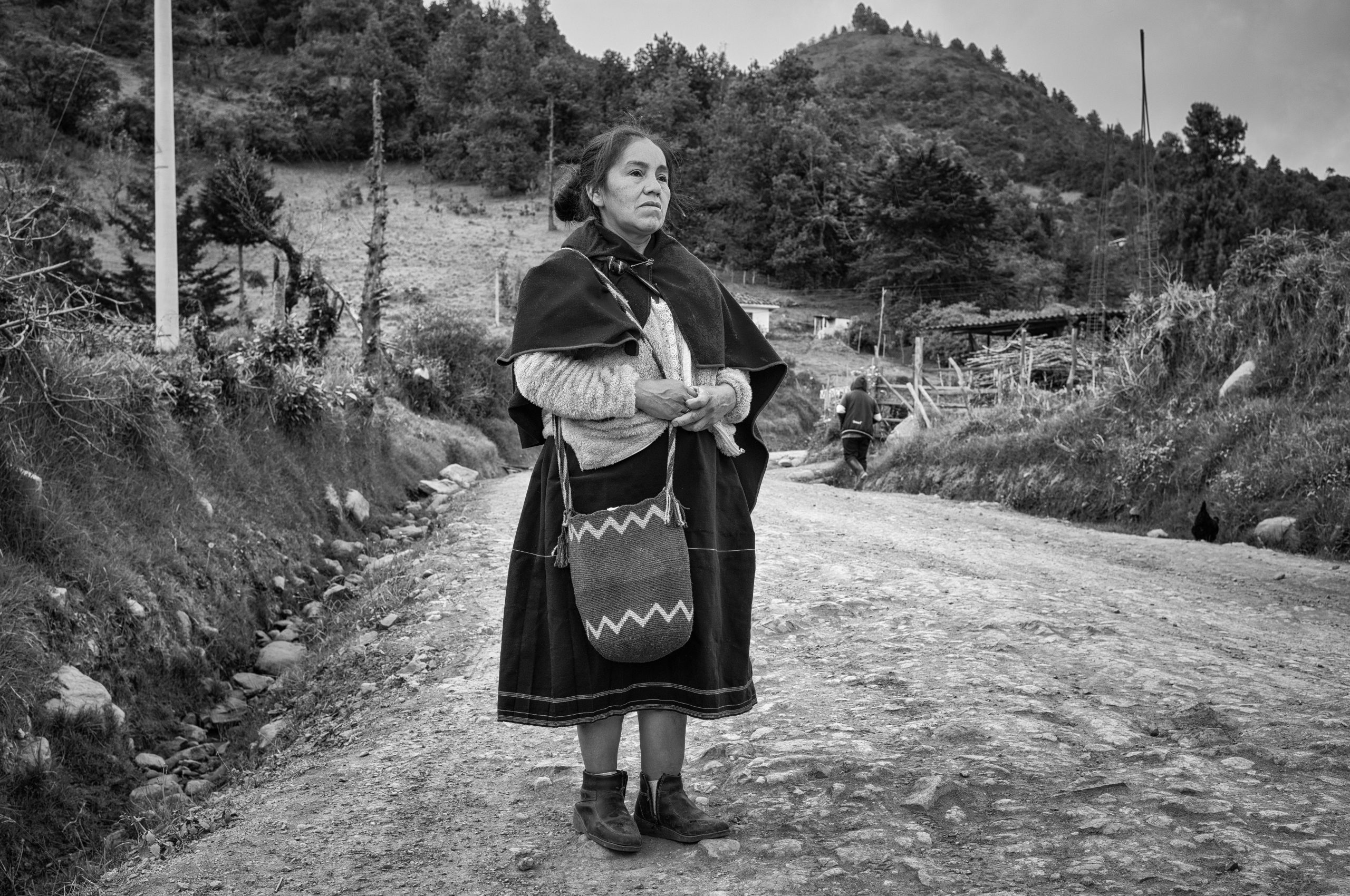
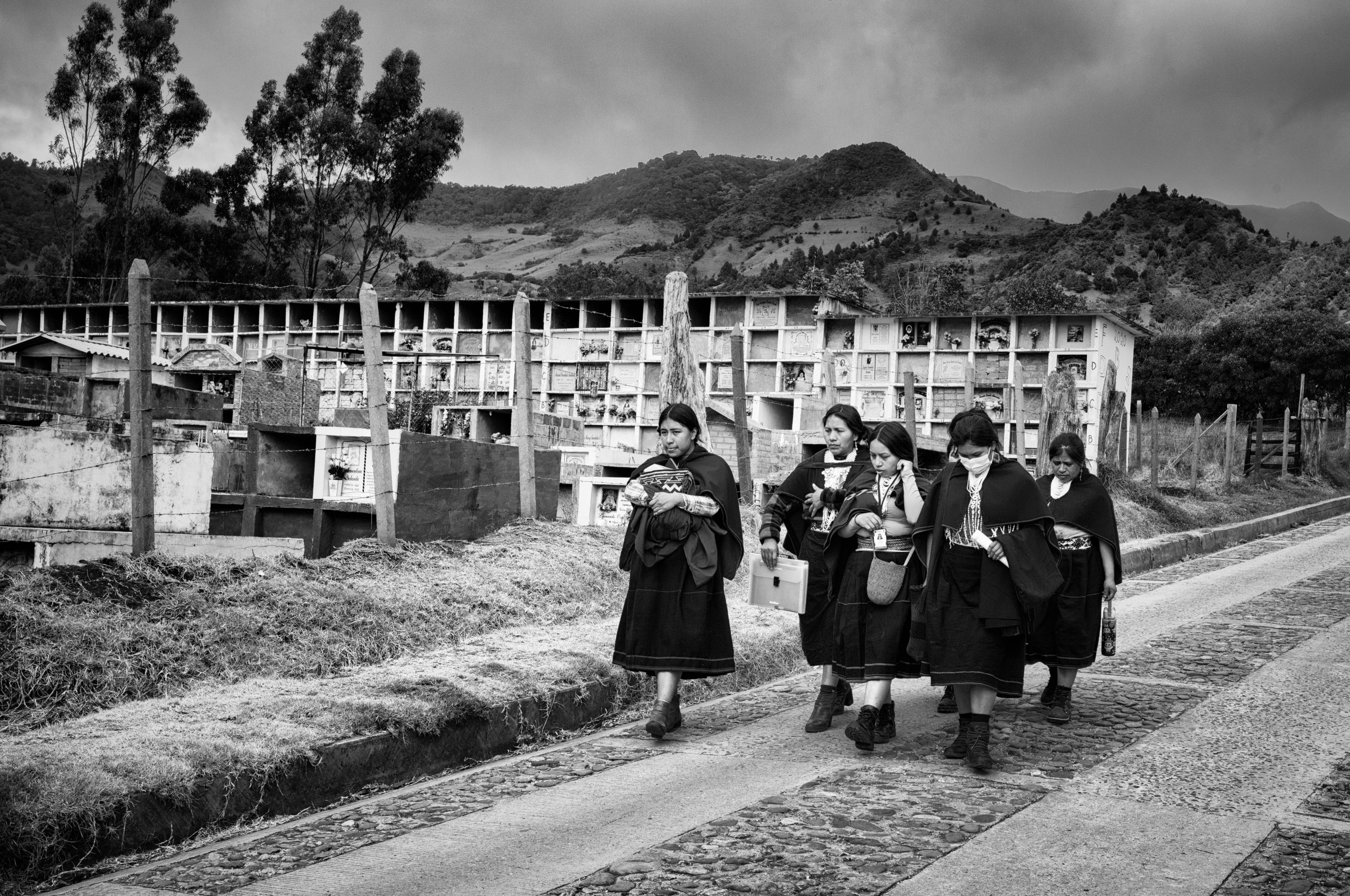
She had learned to work the land since she was a child. She was strong and brave, say those who knew her. She dreamed of owning a small piece of land and seeing it flourish alongside her daughter. That is why, when Carmen Velasco Tombé remembers Flor Alba, she does not speak first about politics or territorial disputes; she speaks about shattered dreams. Flor Alba Tombé Velazco died on May 21, 2026, in La Ensillada*, a páramo located between the Misak reservation of Guambía and the Nasa reservation of Pitayó, in Colombia’s Cauca department, where a historic dispute over land ended up pitting two sister Indigenous peoples against one another. She was 28 years old and left her daughter, Lisbet, in the care of her mother, who still finds strength by remembering the young woman who dreamed of moving forward in life.
She was a farmer; she worked in agriculture. She was very brave when it came to work; my daughter was brave in everything (…) She loved her daughter very much, and she had dreams of moving forward, and she dreamed of having her own little piece of land, she recalled.
On May 21, Cauca experienced a tragedy. Members of the Misak and Nasa nations clashed in the area known as La Ensillada. The reason: Colombia’s National Land Agency (ANT) failed to consult both communities when it “organized” the territory in December 2023. This reignited disputes over land and over spaces considered sacred, made up of high mountain wetlands and lagoons, which both peoples claim as their own.
As a result of the confrontation, eight Indigenous people died: four Misak and four Nasa. More than 100 people were injured on the Misak side and over 40 on the Nasa side.
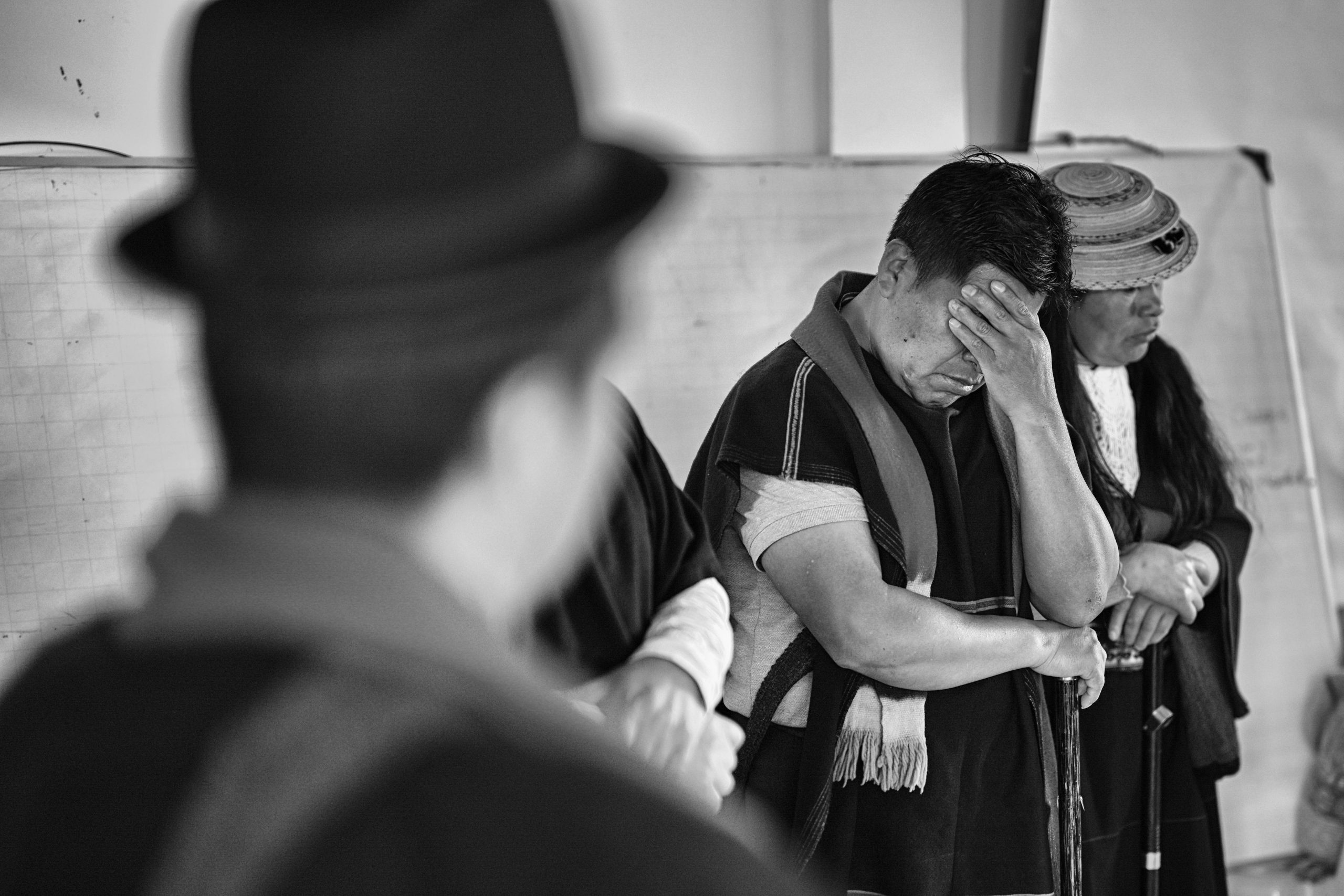
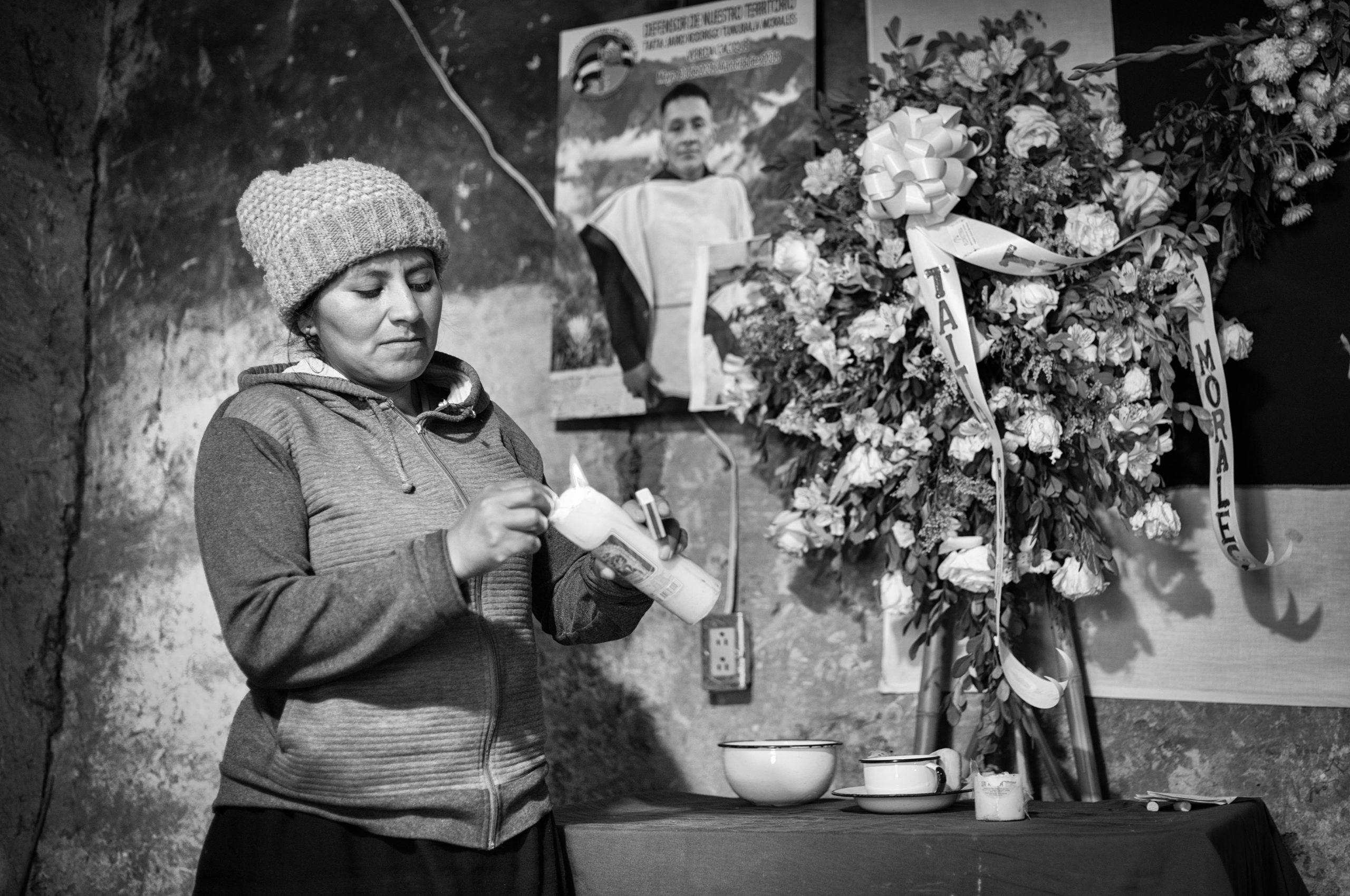
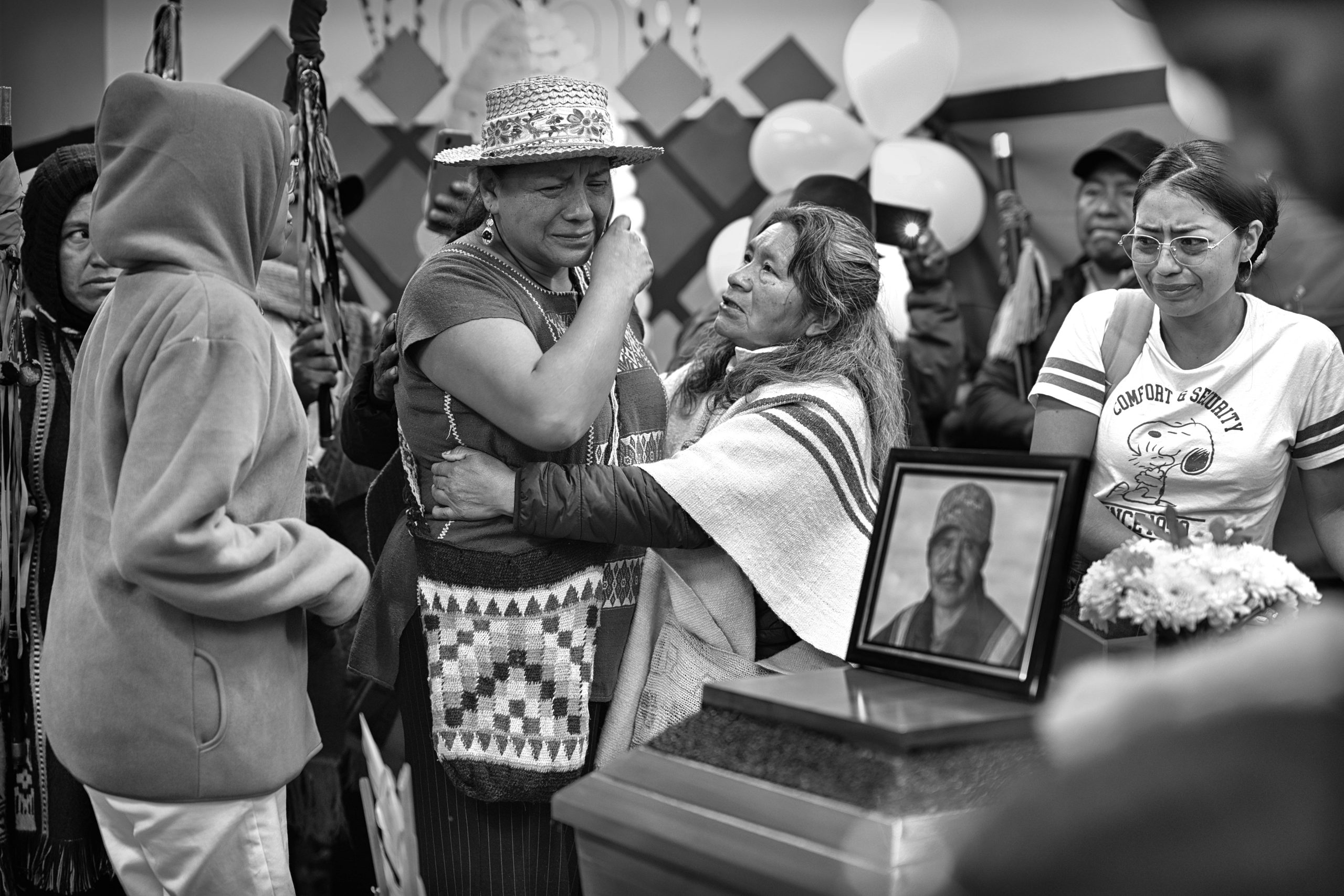
Another victim of the dispute was Nasa leader Hernán Perdomo. The pain caused by his death was reflected in the words of Yesid Condua, a leader and former council member of the Regional Indigenous Council of Cauca (CRIC), who, during the funeral, could barely find words to explain the loss.
All we can say to the Perdomo family is: stay strong, stay resilient. It is not easy because our words as human beings will not fill the void left by Elder Hernán, who is no longer here. And perhaps today we are together as a community, but after we bury our elder, the family will have to continue carrying that emptiness, and so will we,” he said.
The conflict between the two peoples dates back to colonial times, and neither independence nor Colombia’s 1991 Constitution managed to resolve it through dialogue. Today, with Gustavo Petro’s policy of deepening democracy through land formalization in a country that has never undergone a comprehensive agrarian reform, the situation has flared up once again. The volatile relationship between the Misak and Nasa nations in Cauca is not the country’s only interethnic conflict.
A State That Remains Deaf
The Misak people claim ownership of the disputed wetlands and lagoons, arguing pre-Hispanic occupation of those lands as well as a Royal Decree issued by the Spanish Crown in 1700. The Nasa people, meanwhile, argue that during that same century, the chiefdom of the five peoples of Don Juan Tama was consolidated and that the páramo belongs to them.
Although the ANT’s resolution heightened tensions between the communities, there had been a precedent at the beginning of this century.
Resolution 007 of 2002, issued by the former Colombian Institute for Agrarian Reform (Incora) during Álvaro Uribe Vélez’s administration, restructured and expanded the Guambía (Misak) reservation, assigning it a total area of 19,157 hectares. Tensions also arose then with the Nasa reservation of Pitayó, but dialogue prevented confrontation.
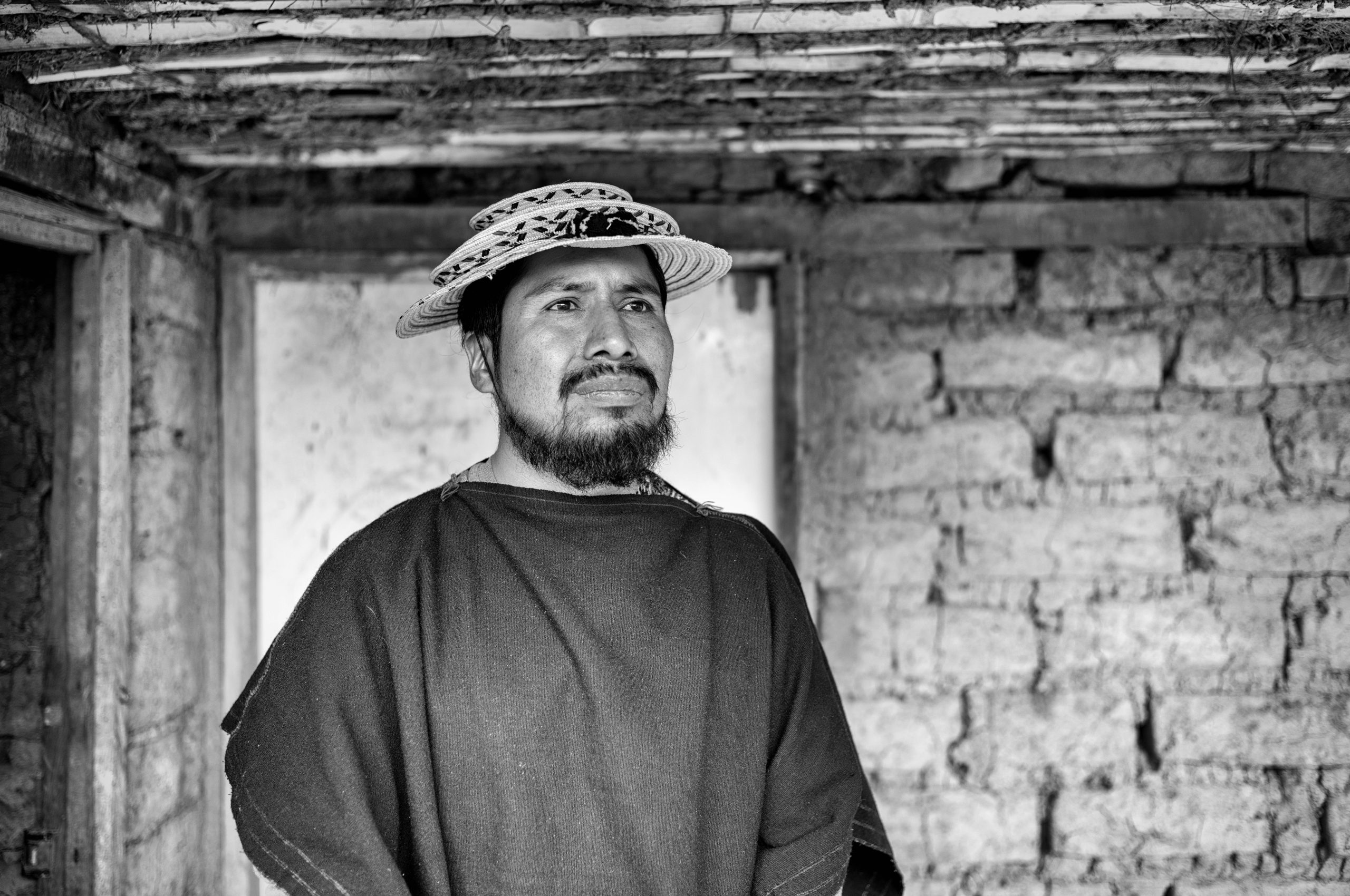
Alexander Tunubalá, a Misak Indigenous man, was a tenth-grade student at the time and still remembers those assemblies.
There were authorities from the Cabildo (CRIC) who understood the issue very well, and I remember the schools were there too; there were many Nasa people, Misak people, teachers, authorities as well, he explained.
Twenty-four years later, tensions were not addressed assertively by either people, nor was there effective mediation by the State. Without consulting the communities and their authorities, the government issued resolutions 202351011738346 and 202351011737246 in 2023 and resolution 20245100600639 in 2024, clarifying the titles of the Nasa communities of Yaquivá, Pitayó, and Mosoco.
The resolutions heightened tensions in both Indigenous nations, and the ANT’s statements of March 11, 2024, further escalated the conflict by failing to resolve overlapping territorial claims and instead opening the door to multiple interpretations:
The opinion of the Subdirectorate of Ethnic Affairs and the circular issued by the Agency’s general director indicate that protected third parties include the already formalized collective property of the Guambía Indigenous reservation. In other words, the clarification of the titles of Mosoco, Pitayó, and Yaquivá is recognized, while at the same time guaranteeing that clarifying those titles cannot, by itself, dispossess or limit Guambía’s territory.
The State spoke, but it failed to listen.
The statements fueled distrust, and in December 2025, the Nasa communities of Pitayó decided to create a boundary fence of just over 800 meters. They demarcated their territory, set up six checkpoints, and in the process, destroyed fences belonging to Misak families and drove away their cattle.
What followed was the beginning of actions by both peoples to force a reaction from a State that failed to grasp the magnitude of the problem.
Miguel Antonio Yalanda Calambas speaks of those days as someone recalling a long chain of closed doors:
So, first of all, we blocked the Pan-American Highway… and there was also supposed to be a dialogue there… And in the end, we had to go all the way to Bogotá, to the Foreign Ministry.
Just like the Misak people, the Nasa people warned state institutions about the risk of a tragedy. They sought to have the territorial conflict addressed institutionally by publicly calling for the intervention of the relevant authorities, especially after the road blockades carried out by the Misak people in May 2026 between the municipalities of Jambaló, Páez, and Silvia, which affected several Nasa communities.
And thus came the tragedy of May 21.
What Should Never Have Happened, Happened
Miguel Antonio Yalanda Calambas told El Turbión and Terra360 that the Guambía community began climbing toward La Ensillada at eleven o’clock at night. Alongside him were dozens of Misak Indigenous people prepared to dismantle the fence erected by the Nasa people.
Among them was Jairo Tunubalá, one of those who would die.
We are going to defend what is ours because they are invading us, they are taking our land away because those lands belonged to my father, Jairo told his brother before leaving.
They walked for five hours, and at four in the morning, they neutralized the six checkpoints by tying up the Nasa Indigenous people stationed there.
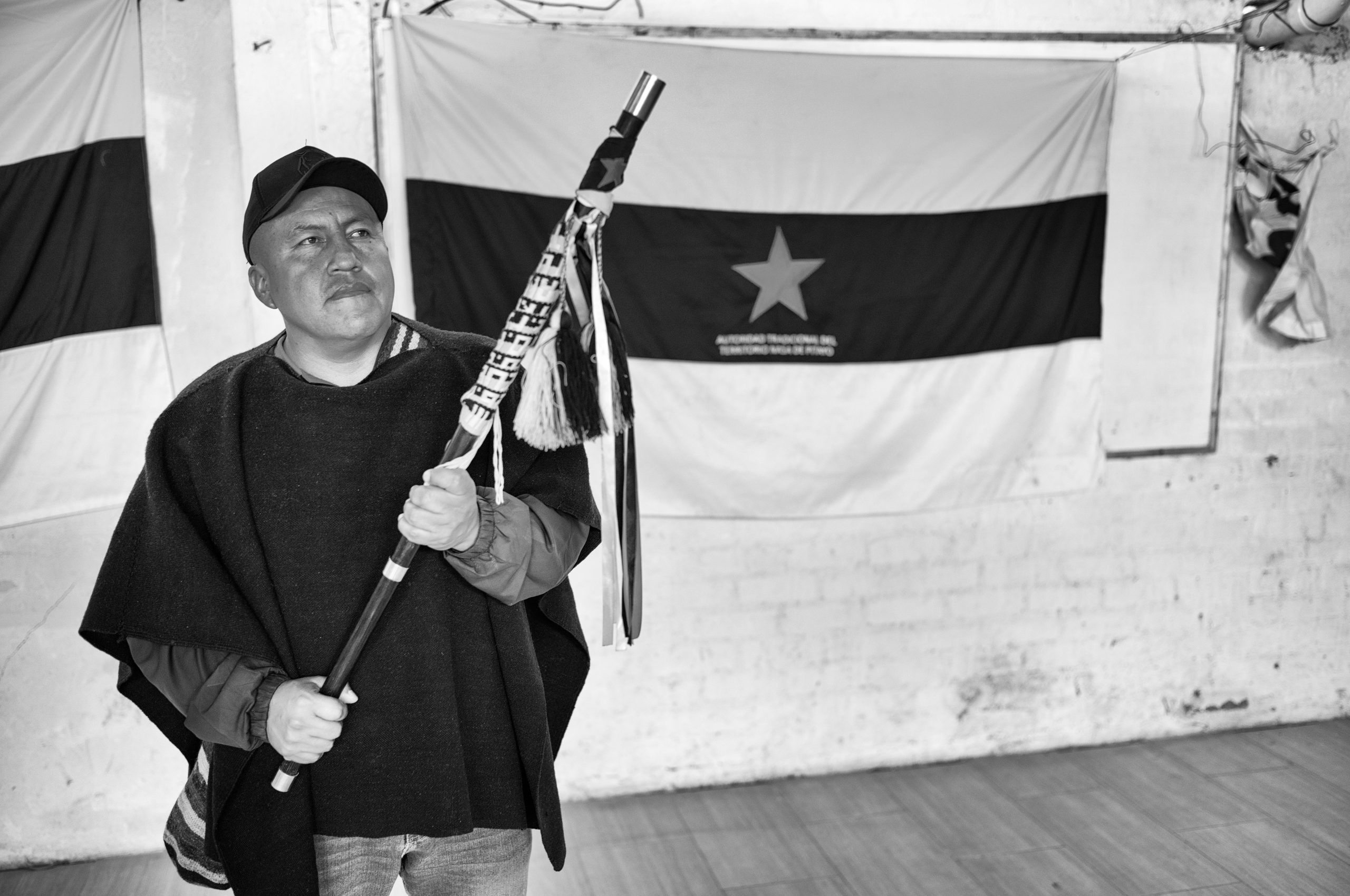
Pablo Pacho, governor of the Nasa community of Pitayó, relives that dawn with a mixture of anger and exhaustion:
At four, they started arriving at the checkpoints. They tied people up, beat them, destroyed the pots, the dishes, everything. Because each checkpoint had its own little kitchen where we prepared our food, they ruined all of that; they tied people up.
Immediately afterward, the Misak people began removing the fencing, and within an hour, the barrier had been destroyed.
But the price both people paid for failing to achieve dialogue and resorting to actions was enormous.
At 5:30 in the morning, an hour and a half after the fence was dismantled, dozens of Nasa people arrived, and the confrontation began.
Alexander Tunubalá still remembers the final attempt to prevent the tragedy:
I even told them (the Nasa people): No one is going to get hurt here; you have your children, we have ours. Besides, you are my brothers; you have different blood, but in this conflict, we have to do things the right way, not with fights, not with blows. Then they reached an agreement at Punto Nuevo. We entered there, but not with violence or insults either.
It was not enough. The catastrophe could no longer be stopped.
On the Misak side, the communities of Guambia lost Luis Enrique Tunubalá, Flor Alba Tombe, Jairo Rodrigo Tunubalá Morales, and Luis Enrique Tunubalá Fernández. Meanwhile, the Nasa people had to say goodbye to Wilmar Darío Caña Imbachi, Albeiro Dizu, Alonso Chaguendo, and Hernán Perdomo.
The confrontation lasted throughout the morning, and there were people who were detained. Cruz Elena Osa still shudders when recalling the hours she spent in Pitayó.
They took us against our will, some people were taken, they tied them up to take them there, some were forced to take off their shoes… they constantly told us that if their community members were killed, they would mistreat us there as well.
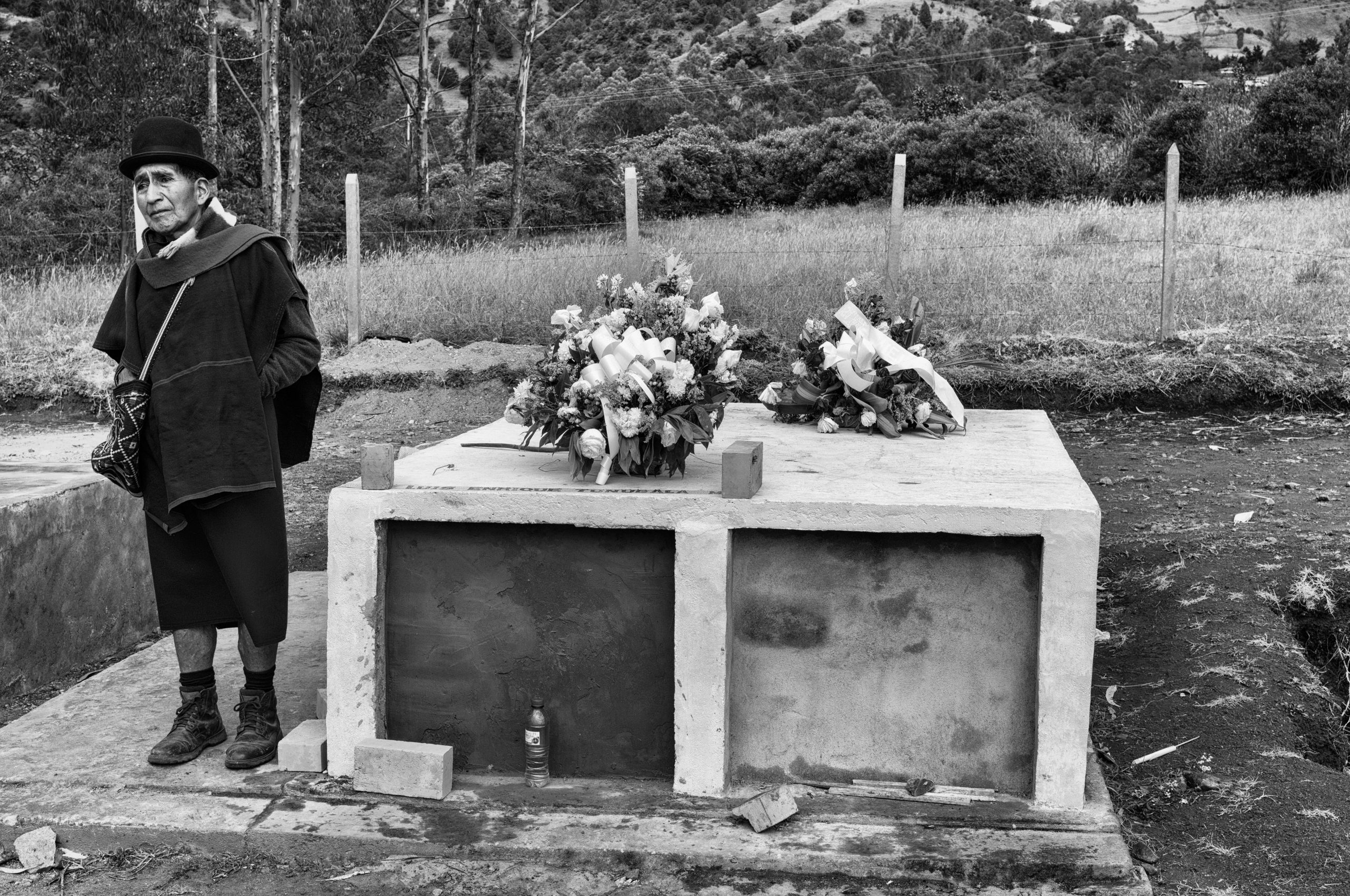
The humanitarian intervention of the Municipal Government of Silvia, the Ombudsman’s Office, the Municipal Attorney’s Office, the United Nations, and the Catholic Church allowed them to return to their communities. But the wounds remain open.
The Misak people report more than 100 people seriously injured, many of them by gunfire; the Nasa people also report more than forty people severely injured by stones and machetes.
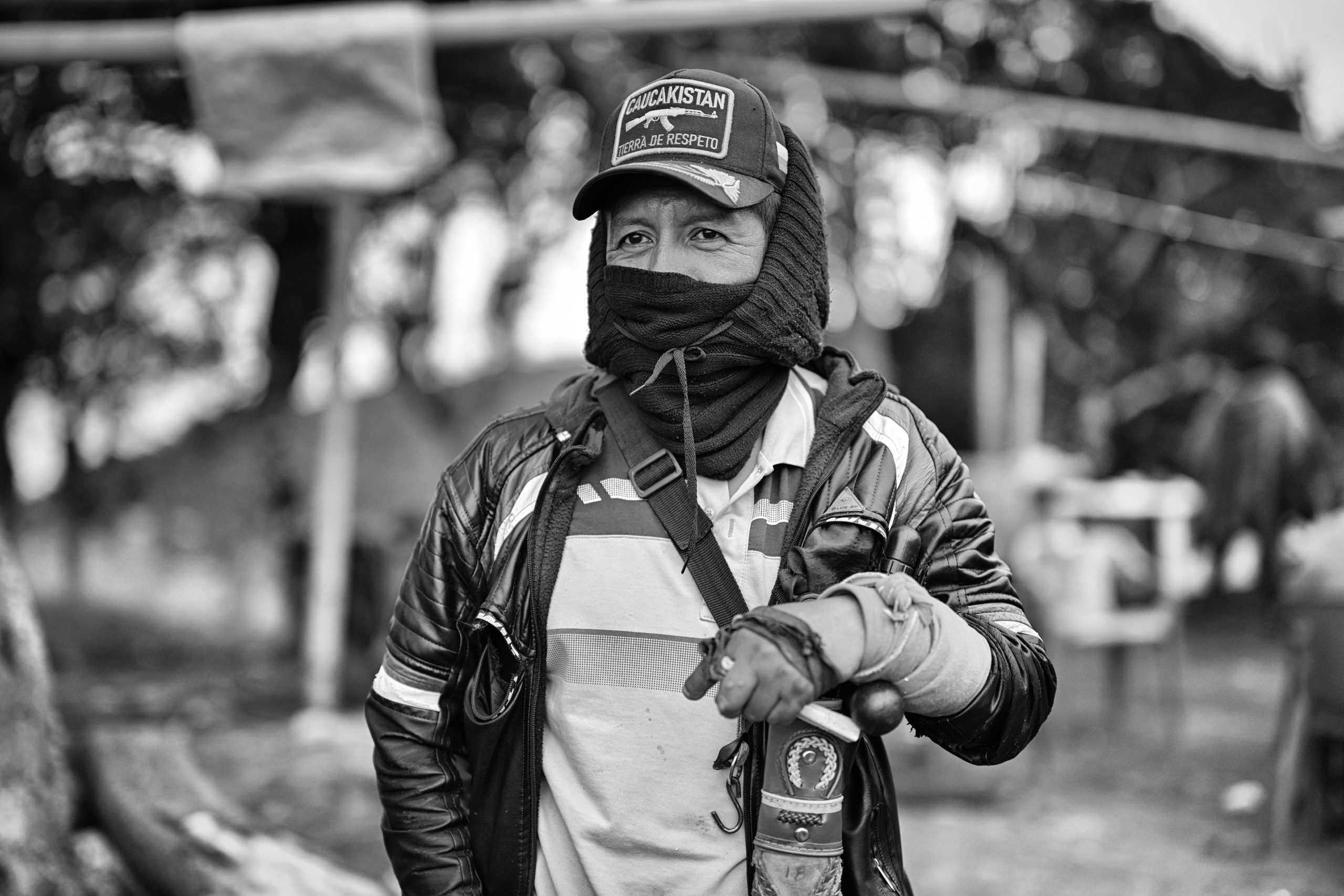
The gunshot wounds are particularly concerning. Several testimonies claim that pistol, rifle, and machine-gun fire could be heard during the afternoon. It is also necessary to consider the analysis by the Institute of Intercultural Studies at Javeriana University regarding the influence of dissident factions of the former FARC-EP guerrillas, specifically the Dagoberto Ramos Front:
The presence of illegal armed actors affects and conditions the peoples’ exercises of governance and territoriality within the territory.
Processing Grief
Yesid Condua, during the funeral of leader Hernán Perdomo, spoke clearly about the pain felt by both Indigenous nations:
Here, there are no winners or losers. There is pain here, there is sadness here, there is helplessness here. That is why we must recognize that today there is pain in the community of Pitayó; but that over there [in the Misak nation] there are also families carrying the same pain and, like Pitayó, we acknowledge it.
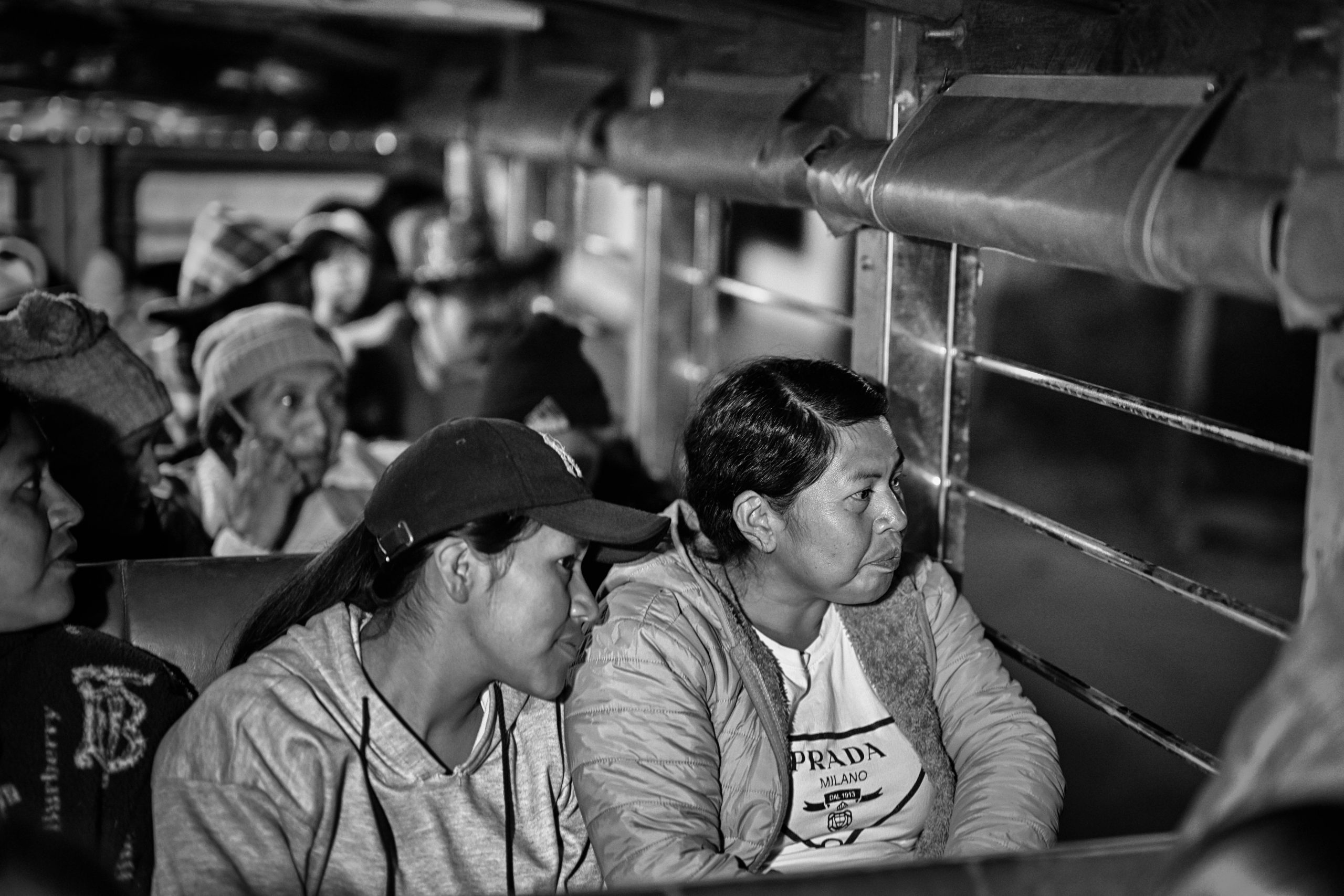
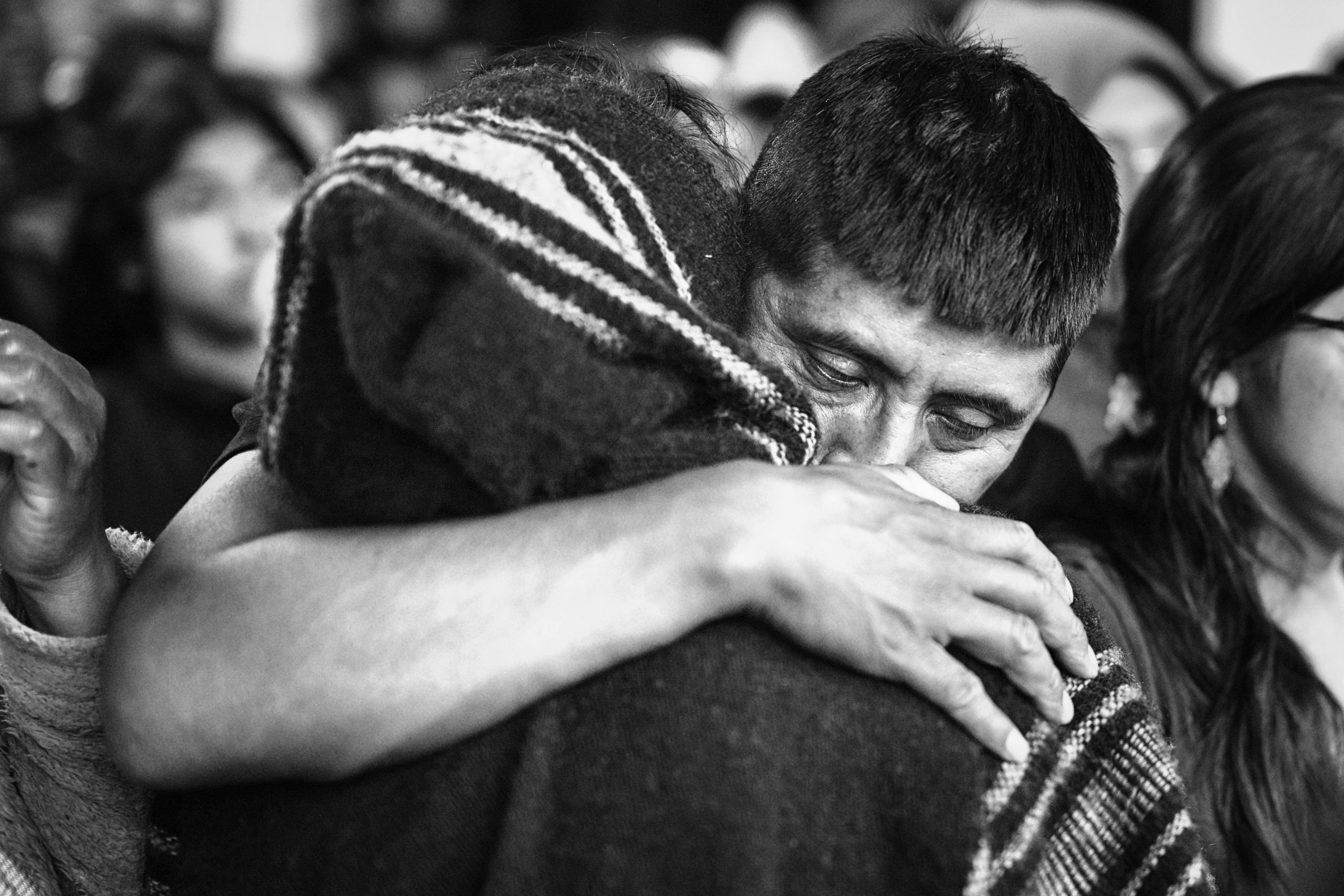
The conflict remains latent; however, among both peoples, some leaders insist on dialogue. Yesid Condua is one of them, and he not only calls for agreements between the peoples but also for State mediation as a requirement:
The messages we must leave are messages of unity and calls for dialogue, and for institutions to pay attention to this problem. If, in the middle of two groups that are fighting, there is no commission to guarantee dialogue, it will be very difficult for us to come together, especially with pain, anger, and hatred, because we are human beings. We have to feel all of that, but we must also find the wisdom to engage in dialogue.
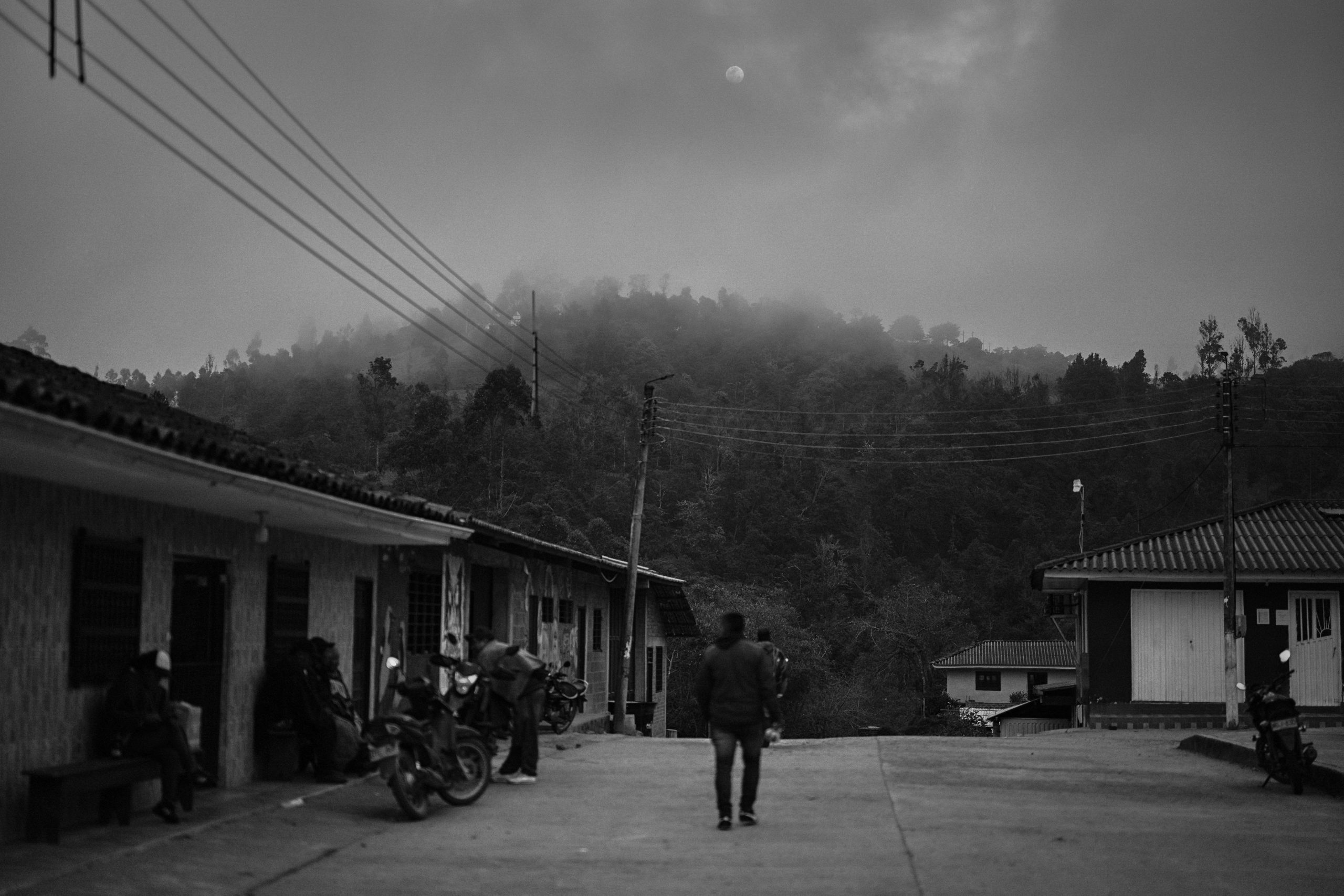
Liliana Pechené, Misak governor of Guambía, is also convinced that violence can be de-escalated, but she demands that the State undertake an agreed-upon agrarian reform and calls on both peoples to unite around that demand:
What our parents, grandparents, and elders taught us is that we must continue recovering land; in other words, we must carry out agrarian reform. And that is the invitation we make (…) So I believe that this is our task and our responsibility because there is no other path. An alliance with the Nasa is not only possible. In fact, this is not a new issue. Our authorities have recovered land together with the Nasa people.
Democracy Cannot Deepen Without Consensus
The government’s actions to purchase land and formalize property titles demonstrate goodwill, but the State’s inexperience in negotiating interethnic territorial disputes amid the operations of illegal armed groups is evident, reflecting decades of war and only a few years of peacebuilding. Moreover, this highlights the need to deepen peace as a national political project and to strengthen the State’s institutional capacity to mediate interethnic conflicts when assigning territories.
The government of Gustavo Petro, through the National Land Agency, has managed more than 700,000 hectares for land access and formalized nearly 1.8 million hectares, while at the same time establishing 133 new Indigenous reservations and granting 105 collective land titles to Afro-descendant communities. In a country where land concentration has been one of the deepest roots of inequality and armed conflict, this represents relief for historically excluded communities, but mistakes are also being made.
In Colombia, just 1% of landowners hold 45% of rural land, while 62.2% of landowners occupy only 4.2% of cultivable land. Among this 62% with limited land are the Misak and Nasa Indigenous peoples, who in Cauca have little arable land or land suitable for cattle raising, while their families continue to grow.
The government has sought to formalize land ownership, but without listening. It has not only remained deaf when it comes to «organizing» the territory without consultation, but it has also been clumsy in mediating after the tragedy. Yesid Condua expressed it this way:
As you saw on Wednesday, when the first government delegation came, what mediocre responses they gave, while one was trying to mediate in the middle. The institutions have left us alone.
President Gustavo Petro called for dialogue after the mourning in both reservations and acknowledged in his statements that the underlying problem is land:
«he basis of the conflict is the scarcity of fertile land in the mountains of Cauca in the face of Indigenous population growth.
Like the Institute of Cultural Studies at Javeriana University, President Petro also warned that criminal organizations prey on ethnic conflicts, referring to the Dagoberto Ramos Front:
I once warned about interethnic wars that could even be exploited and intensified by drug-trafficking armed groups.
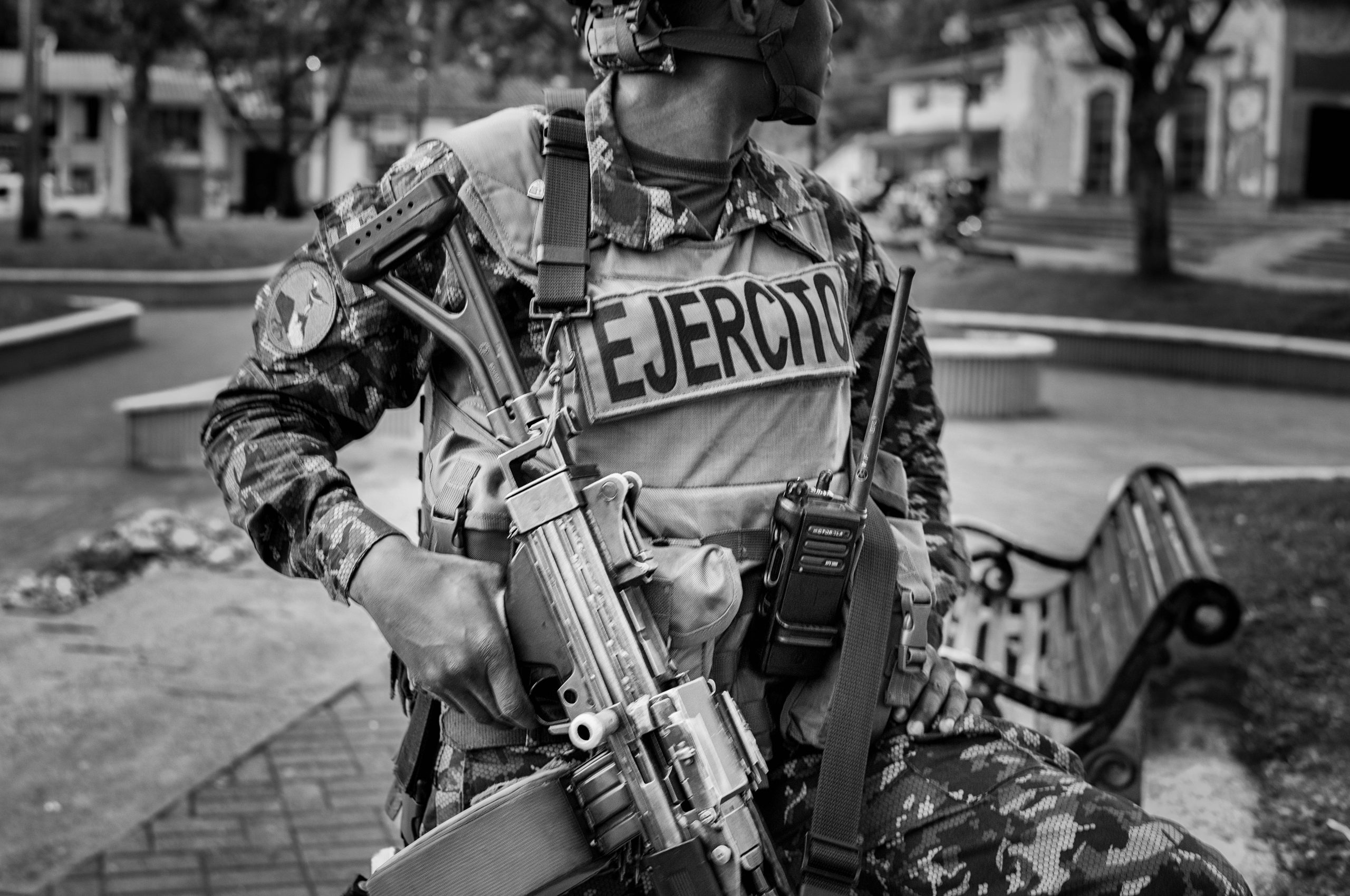
Beyond these statements, one month after the tragedy, the government’s only intervention has been militarization. Today, there are more than 500 soldiers stationed between both communities, and this has prompted harassment by the Dagoberto Ramos Front, creating fears of confrontations with security forces. In addition, the Misak and Nasa people remain wary of the security forces because of crimes committed by Colombia’s Armed Forces in previous decades, when innocent civilians disguised as guerrillas were killed in combat.
Dialogue, a Shared Responsibility
Walking through the place where the confrontation occurred, Yesid Condua returns again and again to the same idea:
A bad agreement is better than a perfect war.
The phrase summarizes the challenge facing both peoples.
Liliana Pechené proposes that both peoples reflect on the political vocation of Indigenous peoples and on the kind of country they are proposing when they fail to manage their differences:
Historically, there has also been mistrust, and I think it is time to leave that mistrust behind and become serious because if we are going to govern this country, we have to take things seriously. And these deaths we have witnessed in recent days, these people who were killed among ourselves, must become a lesson. This must never happen again because if it happens again in the future, it would be very sad. What kind of country are we proposing?
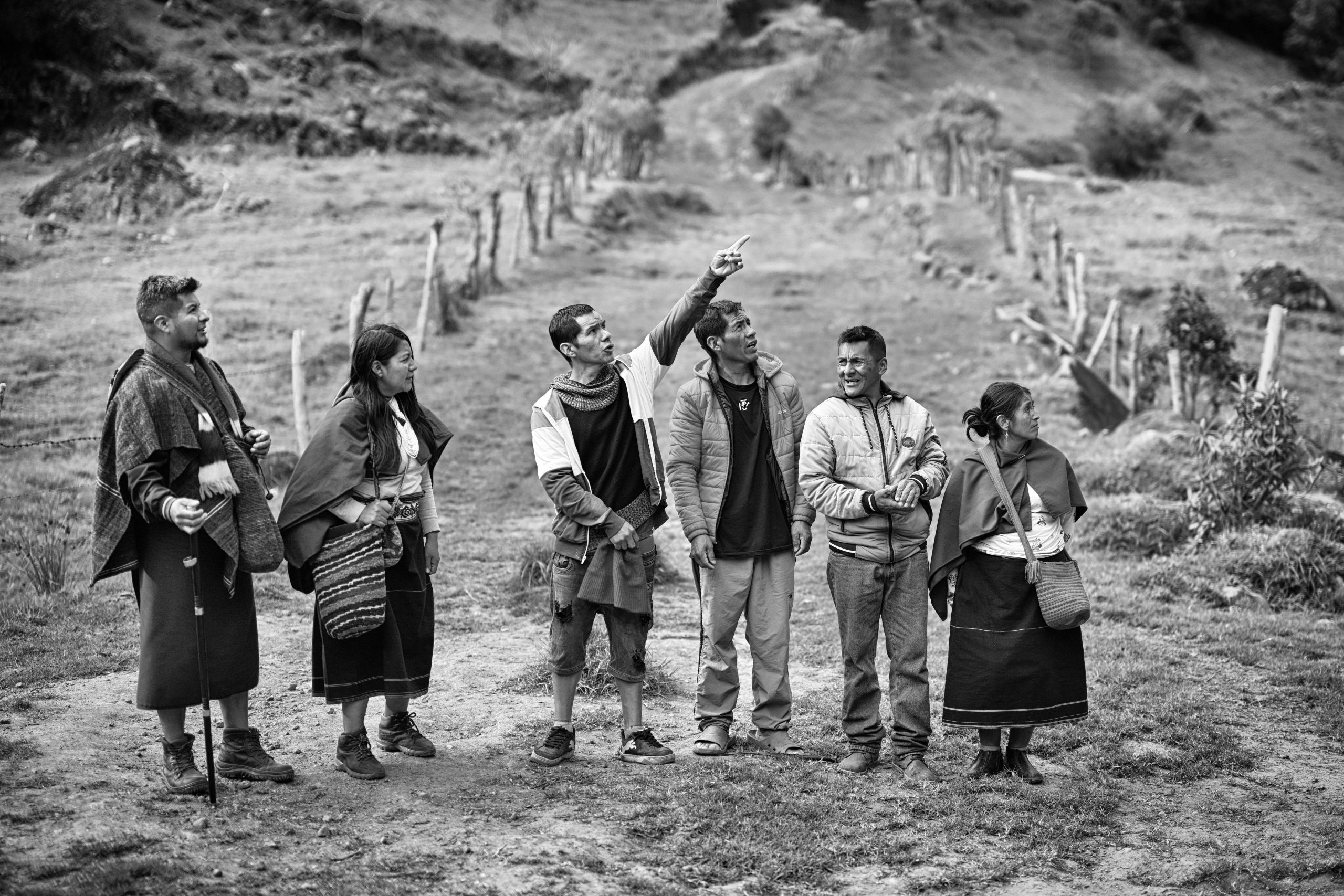
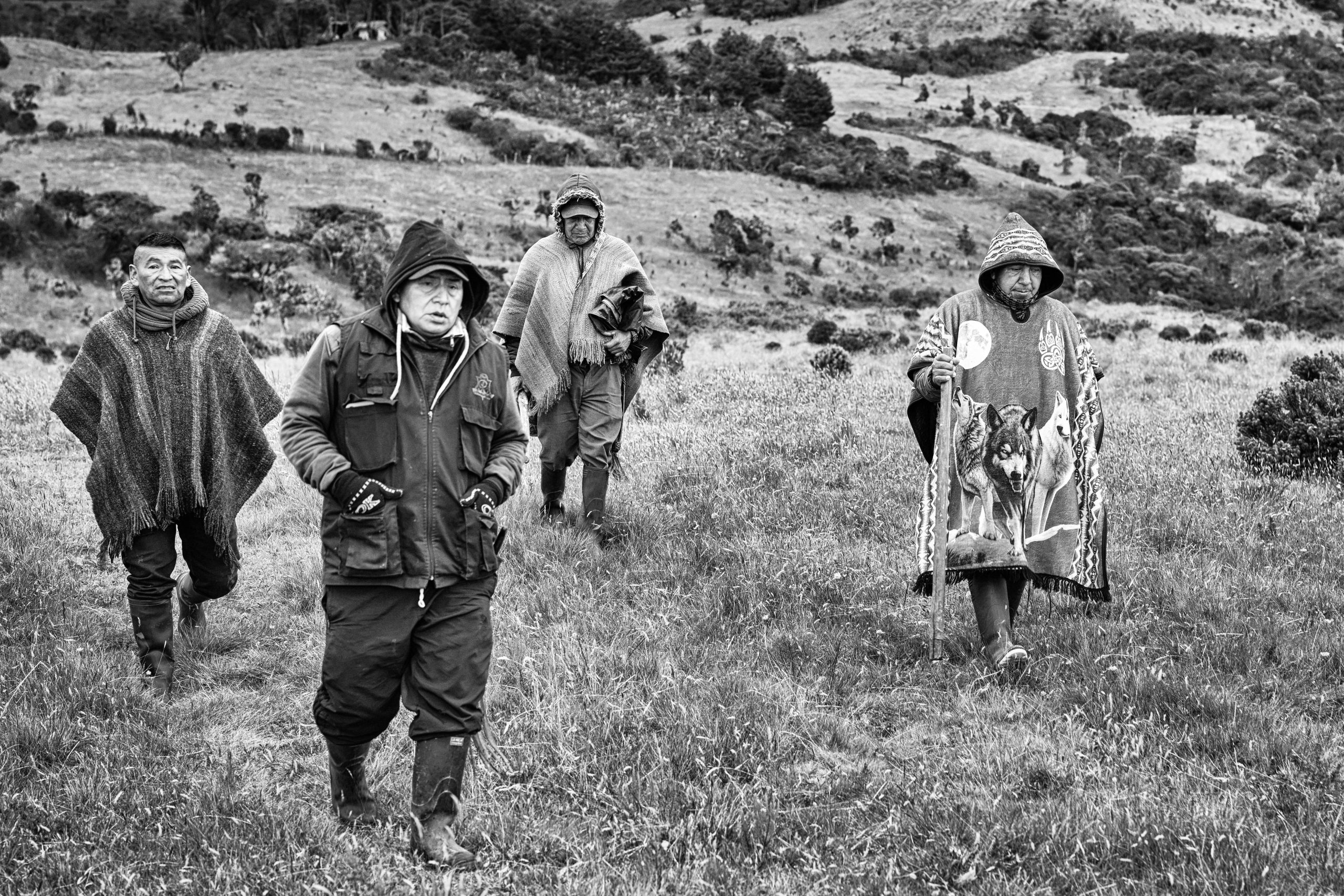
Yesid Condua and other leaders propose that the páramo become a forest reserve and that agrarian reform be implemented so Misak families do not have to convert the páramo into pastureland. He is not wrong regarding the Misak people’s need for land, although Cruz Elena Osa does not consider this proposal viable:
They (the Nasa) have the proposal from the Pitayó council to turn this area, where the clashes took place, into a reserve so it can return to forest, which is not viable for us because we have 250 families who depend on what they produce there, on the work they do there.
Although it may not seem so, both positions are closer than they appear: agrarian reform as a guarantee of prosperity for rural Indigenous communities.
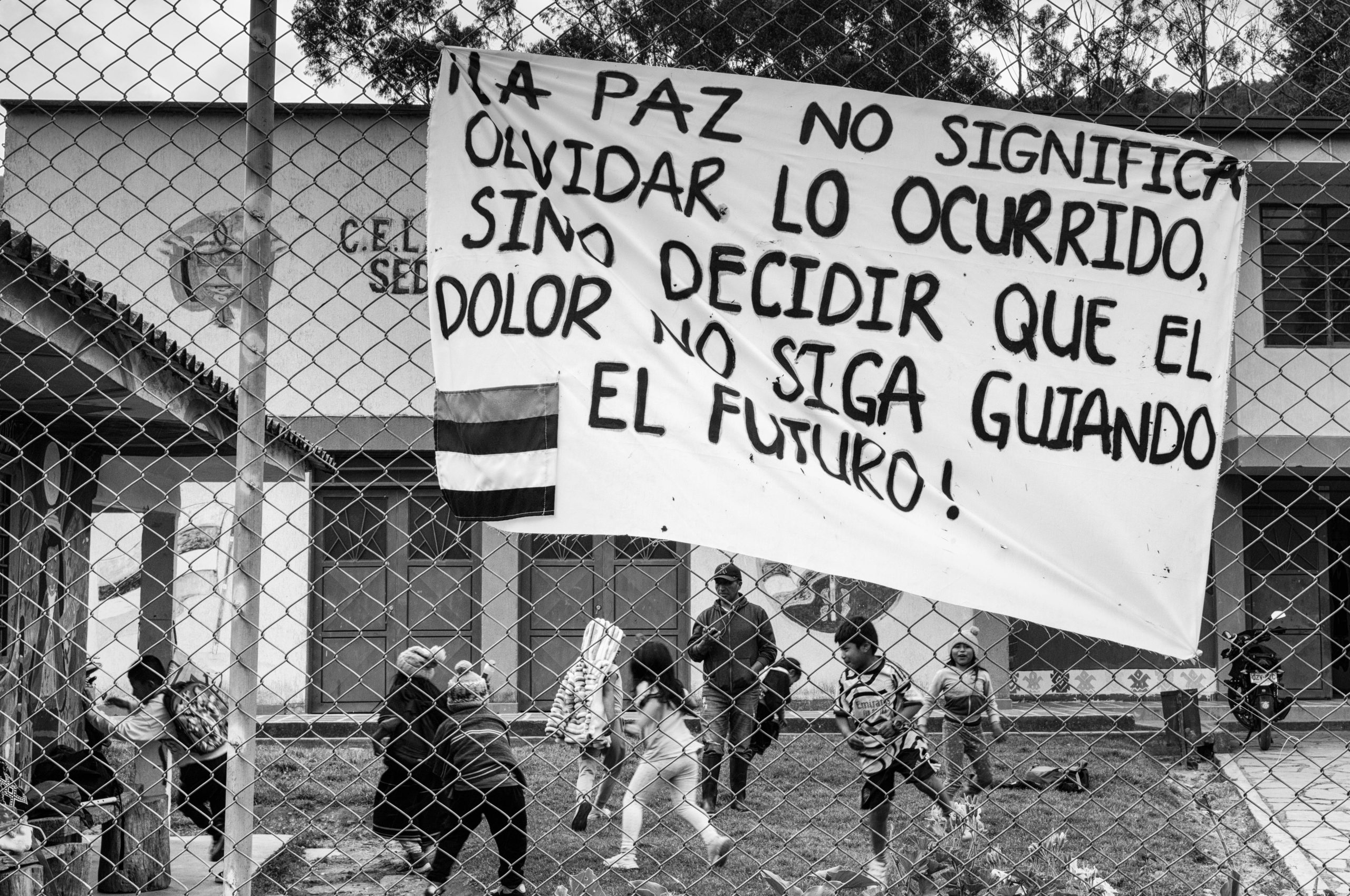
Having cultivable land to support her family was Flor Alba’s dream. And in the end, her death and the deaths of seven other Indigenous people show that the absence of a comprehensive and negotiated agrarian reform continues to exact human and environmental costs in Colombia.
Because territory cannot be organized through resolutions. A territory is woven with many voices.
* For the Misak people, the site is part of the Guambía Indigenous Reserve Cacique Alto Zone, Tagal Tun páramo.

In recognition of El Turbión’s commitment to integrity and excellence in journalism, the outlet has obtained the Certification of the Journalism Trust Initiative, promoted by Reporters Without Borders under the international standard CEN CWA 17493:2019.

Independent journalism and investigation are costly… Support us.
Si encuentras un error, selecciónalo y presiona Shift + Enter o Haz clic aquí. para informarnos.
About The Author
