
By Andrés Gómez
Women in Colombia play a major role in socio-environmental transformation processes. According to a survey conducted by the National Environmental Licensing Agency (ANLA) in June 2024, women accounted for over 42% of all those identifying as environmental defenders, yet little is known about the specific risks they face in safeguarding the planet.
A recent example of this lack of clarity is the public report presented in 2025 by the Attorney General’s Office, which states that between 2016 and 2024, 1,372 murders of human rights defenders were recorded, but does not specify who was killed for their work as an environmentalist. Marlén Arévalo, an environmental and human rights leader and representative on the National Guarantees Committee, speaks of the progress achieved so far but insists on the lack of differentiation:
The work we have done on the Guarantees Committee with my colleague, who is the women’s delegate, has been very, very interesting, and in terms of public policy, we at least managed to get the term ‘environmental defender’ included, because it wasn’t there before – they lump us all together.
The Public Prosecutor’s Office also reports that between 2016 and 2024, 14 women were murdered simply for being women and exercising social leadership: three of the cases are inactive, four are under preliminary investigation, four are at trial, and three more are in the sentence enforcement phase. And in the case of enforced disappearance, the Prosecutor’s Office reports that from 2016 to 2024 it has records of 40 cases under preliminary investigation, 14 at the investigation stage, 6 at trial and 4 in the enforcement of sentences, but does not provide disaggregated information on which of these involve women.
The Prosecutor’s Office, the institution responsible for investigating crimes and prosecuting criminal cases in Colombia, does not report disaggregated data on environmental leaders, nor does it distinguish between men and women who have been murdered or disappeared due to their environmental work; it also failed to respond to the formal request sent by the newspaper enquiring about this matter.
It is essential to understand the distinct risks faced by those who safeguard the planet’s ecosystems, due to pressure from both legal and illegal extractive multinationals, and that these ecosystems are, increasingly under greater pressure, and those leading socio-environmental movements resisting the voracity of mining and extensive monoculture have become their enemies, particularly in South America and the Caribbean. Environmentalists such as Marlén Arévalo comment on this:
Last June, I had the opportunity to participate in the final stages of drafting the public policy [for human rights defenders], as they had been working on it since around 2022–2023. … When I got there and started talking about environmental issues, curiously enough, the institutional representatives kept silencing me and saying: ‘No, that will be dealt with later’; ‘No, look, that won’t be addressed here’. Even fellow human rights defenders said: ‘A defender is a defender, and that’s that!’. And I would say: ‘What do you mean, a defender is a defender, and that’s it? This is the country where the most environmental defenders are murdered because of the extractive industry.’
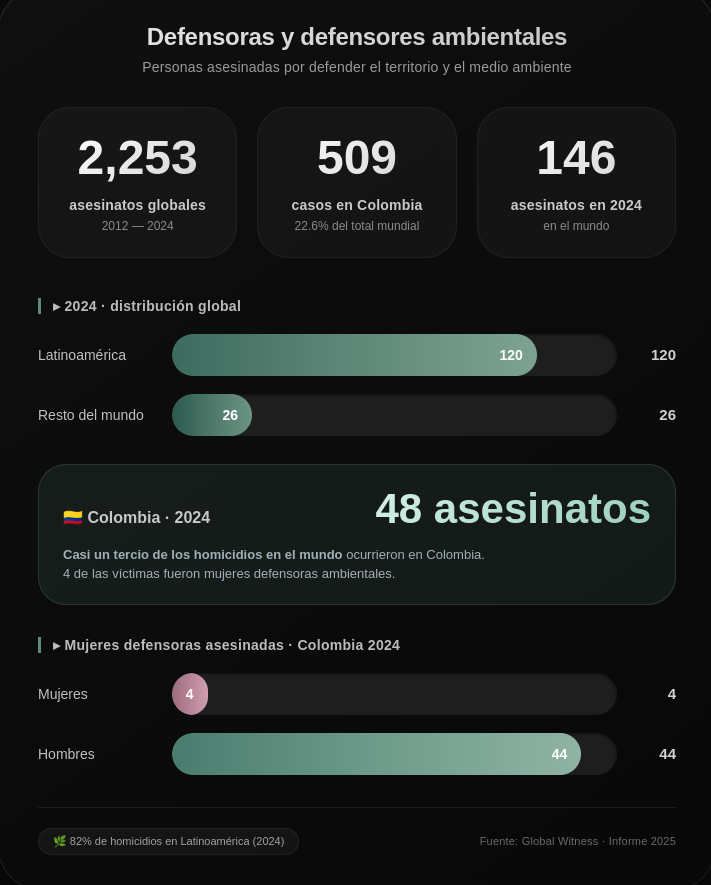
Marlén is not wrong in her analysis. The organisation Global Witness states that between 2012 and 2024, 2,253 environmental defenders were murdered worldwide, and reports that 509 cases occurred in Colombia. The NGO, which specialises in reporting crimes against environmental defenders, also reports that in 2024, 146 people were murdered for defending their rights to their territories and to a clean, healthy and sustainable environment, 120 of them in Latin America. Almost a third of the murders took place in Colombia, where 48 people were killed for defending life, four of them women:
- Evangelina Quiguanás Quebrada in Jambaló, Cauca;
- Carmelina Yule Paví in Toribío, Cauca;
- Ludivia Galíndez Jiménez in Florencia, Caquetá; and
- Marián Rodríguez Camelo in Mapiripán, Meta.
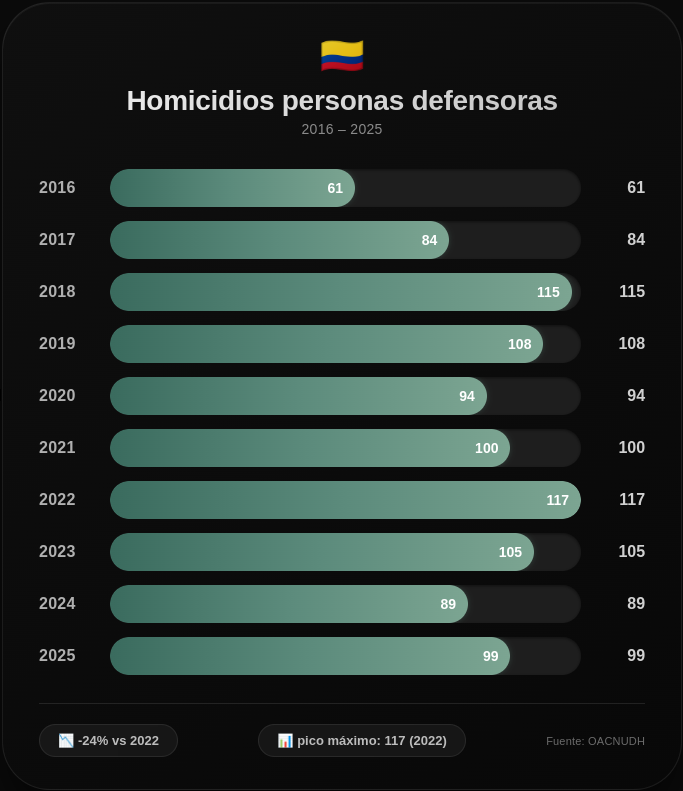
Colombia is by far the most dangerous country to be a social leader. In the report on the Situation of Human Rights Defenders in Colombia by the Office of the United Nations High Commissioner for Human Rights, it was reported that between 2016 and 2025, 972 human rights defenders were murdered in Colombia: 112 women, 843 men and 17 LGBTI+ people.
Although this report does not distinguish whether the victims’ leadership was social and/or environmental, it does clarify that, in the case of women environmental leaders:
Attacks are often linked to socio-environmental conflicts and opposition to extractive projects.
Naming what the State does not see
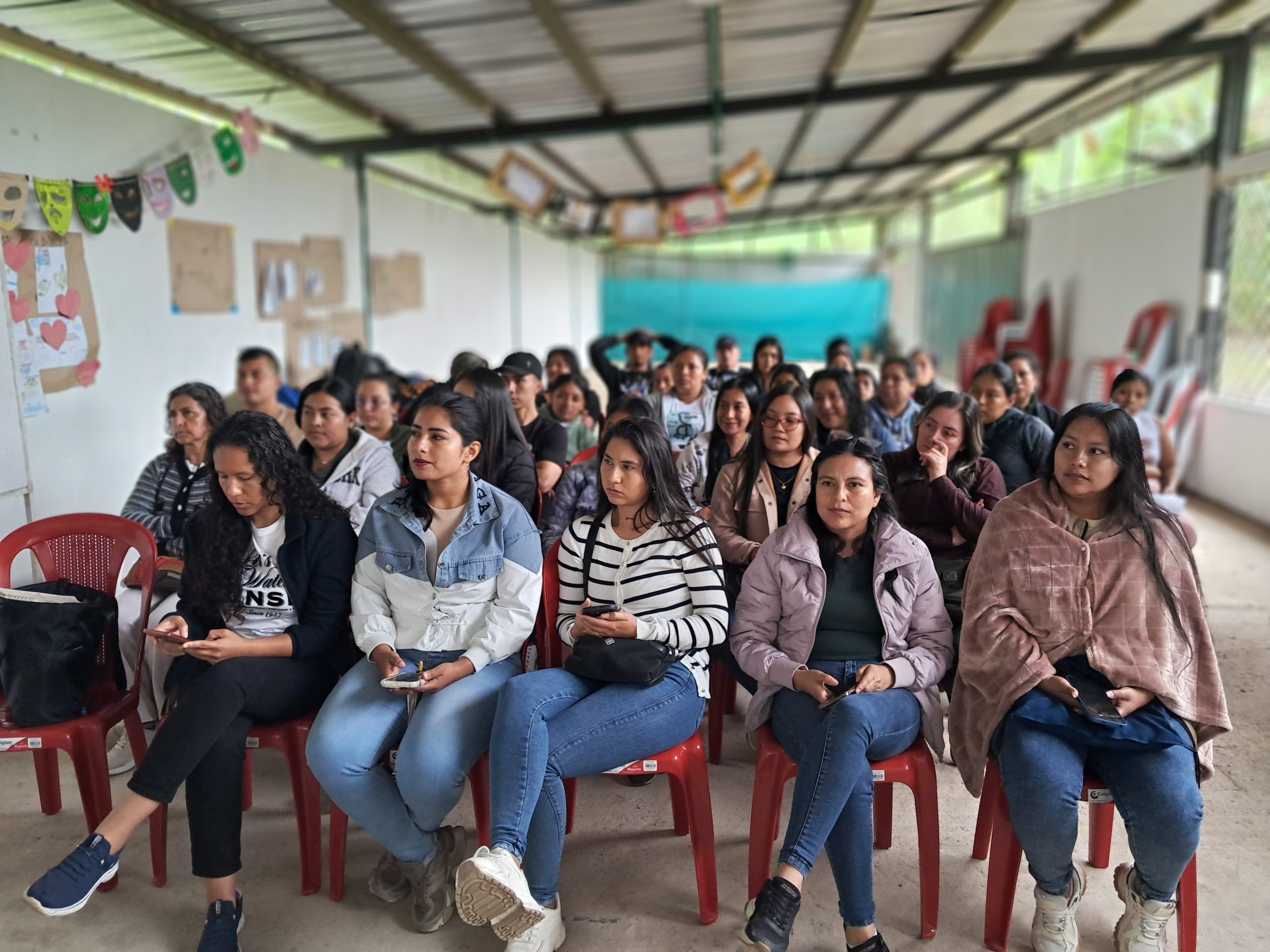
A couple of hours from Tumaco, on the road to Pasto, lies the municipality of Ricaurte. In this part of the Andean foothills that connects to the Pacific, women make up a large part of the socio-environmental transformation processes, and their participation may be higher than the national average; in just two environmental organisations in the municipality, more than 90% of the members are women: Mujeres Recicla Ricaurte por la Paz and Guardabosques los Gualpantes.
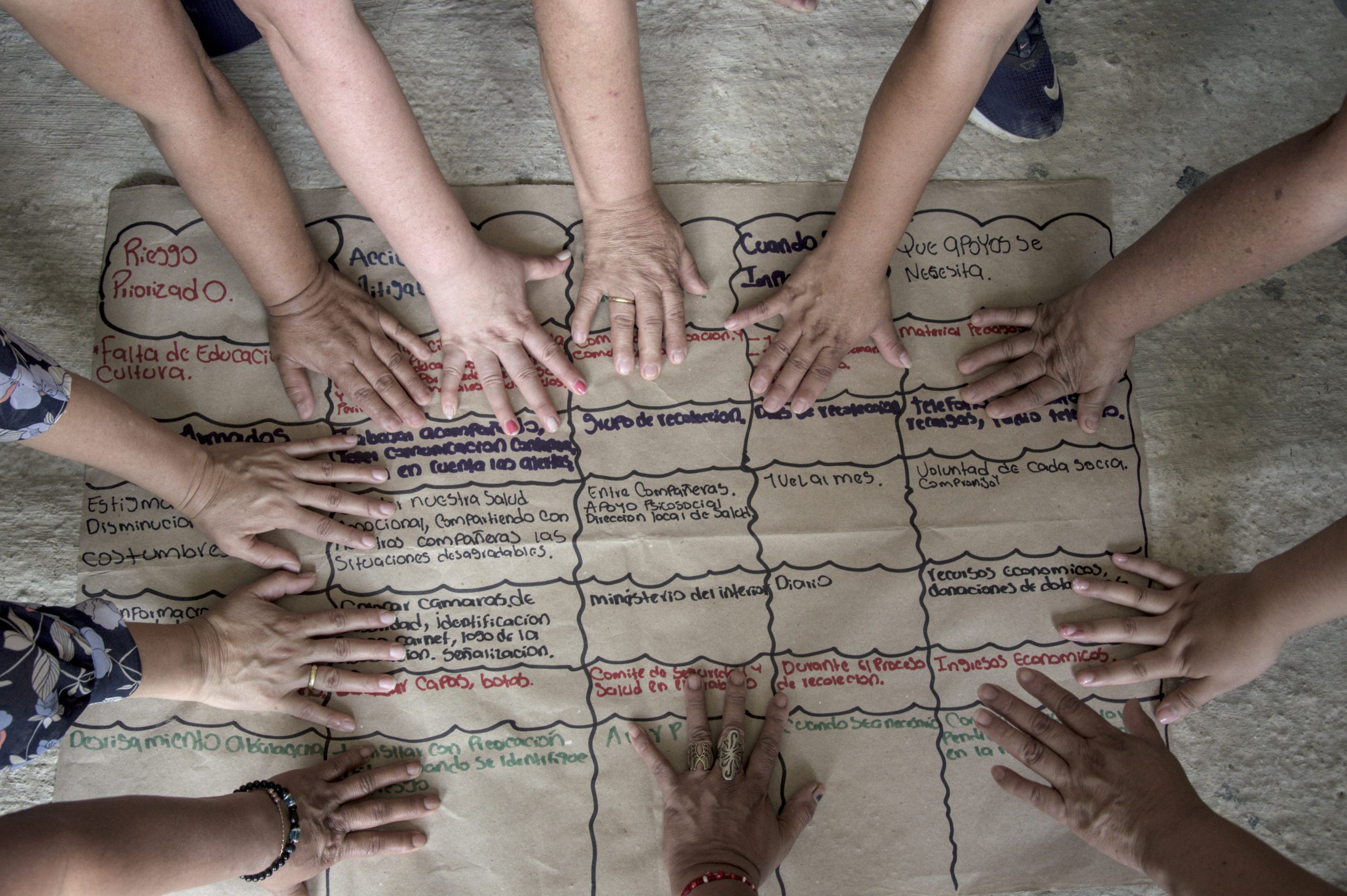
These organisations, together with the Fundación Bitácora Ciudadana, as part of the “Sowing Peace and Resilience” project funded by the Ministry of the Interior’s Community Projects Bank, undertook to reflect on the threats they face as environmentalists and invited El Turbión to participate in a series of meetings with them to share these concerns. The findings are surprising, as they reveal that environmentalists face threats to their mental and physical well-being not only from armed groups, but also from society at large and from the climate crisis itself, given that they are on the front line of environmental action.
We are violent towards women who defend life
When the women from the Mujeres Recicla Ricaurte association take to the streets or the village lanes to collect recyclable materials, they do not always receive recognition for the environmental work they do. Several of them said that, as well as collecting and walking long distances to then sort and compact the waste, they also have to put up with mockery or humiliating comments from some neighbours, as Pilar*, one of the women who recycles, explained:
There are people who, let’s say, treat us badly (…) who sometimes say: ‘Here come the bin women, here come the rubbish collectors.
At other times, the humiliation stems from the misconception that their work is paid for by the waste management company Ecoopar; due to this confusion, some people deliberately fail to separate organic waste from recyclables:
People always think we’re Ecoopar employees. That’s where the criticism comes from, and they often say: ‘No, it’s just that you’re paid to do that’.
Hurtful words and petty actions cause pain, but the women who have organised themselves to prevent the municipality’s rubbish from affecting the biodiversity of the Chocó biogeographic region or reaching the sea know the importance of the environmental work they do. And with the little money they earn by collecting, sorting and compacting the rubbish they gather from the streets and rural areas of the municipality, they now have greater financial autonomy, something vital in a region that offers few lawful alternatives for indigenous and rural women.
Other victims of poor environmental education are the women who are restoring the treeless pastures left behind by the coca and cattle economies. Some neighbours of the women who have brought water back to the streams and rivers do not believe they are doing this work for free; this is confirmed by Alexander*, a member of Los Gualpantes:
They confuse social and environmental work with money. Because we’re working on this issue here, they ask, ‘How much did they pay you to be here with the doctor on this project?’
This lack of understanding doesn’t always come from strangers. Both women’s organisations also face families telling them they’re wasting their time. This is what Sandra*, a participant and volunteer with Recicla Ricaurte por la Paz, said.
Well, in my family we did have some issues when we first started. Because, well, you could say this is a bit mad, couldn’t you? They did something crazy, I mean, you stop doing your work at home and go off to a job, as I mentioned, that isn’t paid.
And Lina* said the same thing in one of the workshops with the Bitácora Ciudadana Foundation; she is one of the women Forest Rangers and works as a nurse:
My friends, my workmates, have definitely said that to me. ‘What are you doing there, wasting your time?’
In the discussions among the women environmentalists, a spirit of solidarity emerged among colleagues, and the meetings also served to devise strategies and mitigate the impact on organisational processes caused by such disparagement. As one of the participants explains, one of the main ways to counter stigmatisation is to listen to one another:
Looking after our emotional wellbeing by sharing the unpleasant situation with our colleagues.
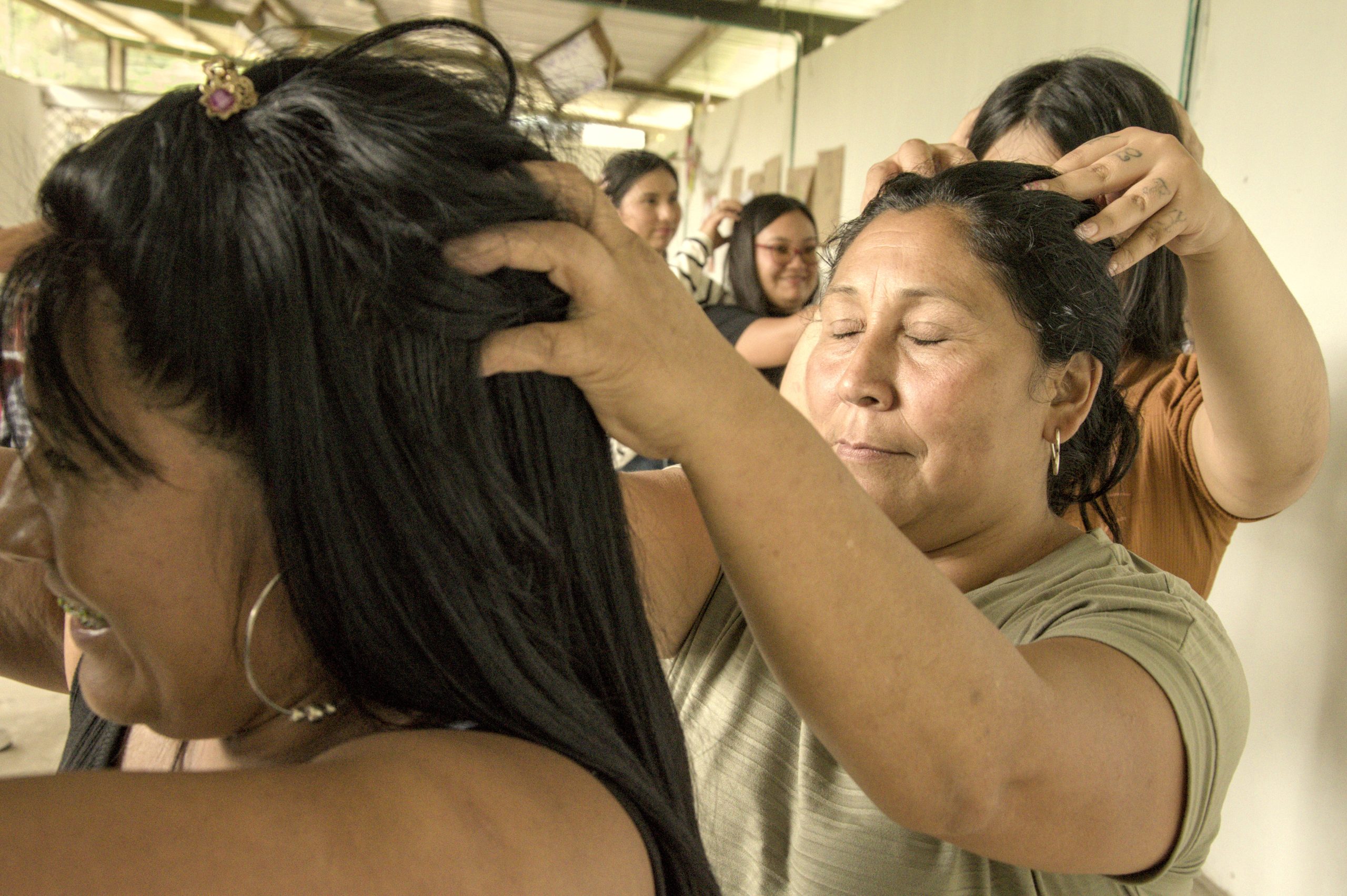
This mutual support also strengthens the conviction that their work is meaningful, as Pilar* stated:
I believe the best thing we can do is to support one another within the organisation and also recognise the other leadership and conservation initiatives that are taking shape in the municipality,
Defending nature amidst illicit economies and violence
The environmental work of women’s organisations in Ricaurte takes place in an area of high biodiversity but one that is fraught with these risks; consequently, several of their activities—such as collecting recyclables in villages or restoring degraded areas—involve travelling along rural roads where illicit economies, legal and illegal armed groups, and even anti-personnel mines or unexploded ordnance are also present.
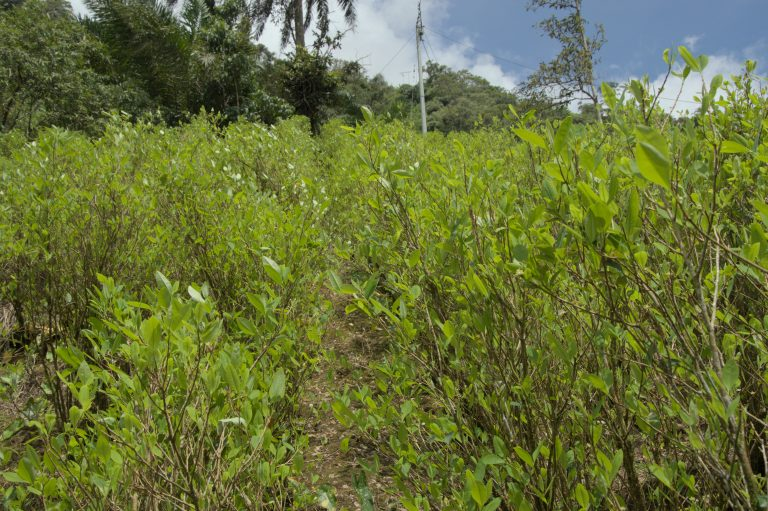
In some cases, the forest rangers’ trails pass close to plots of land where illicit crops are grown. For this reason, Clara*, a member of the Gualpantes and one of the participants in the meetings, explains that this proximity has created tensions with those who control these areas:
Near the reserve’s land, there are people growing illicit crops. So, as some of our trails pass close to those places, there has indeed been a certain amount of friction.
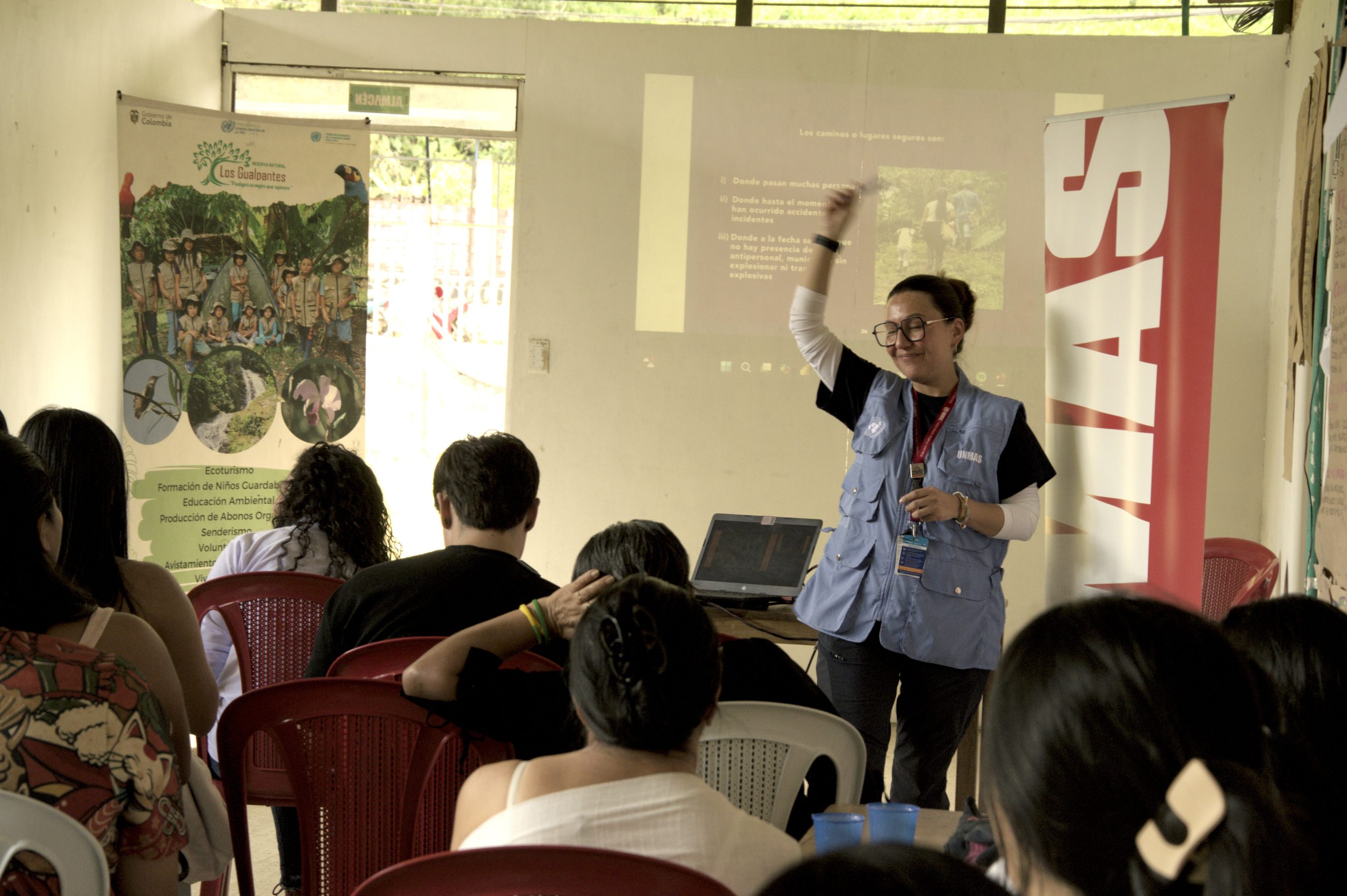
Travelling through the territory also means moving through areas where risks associated with the armed conflict persist. Given this, during collection or ecological restoration days, the women know they may encounter fighting, anti-personnel mines or unexploded ordnance. Pilar*, from Recicla Ricaurte, is aware of this danger:
When collecting or travelling through the territories, we are always faced with that risk when there are clashes or anti-personnel mines. You always have to be careful.
On occasions, they even receive direct warnings not to enter certain places. When that happens, they must temporarily abandon their environmental activities, as Pilar* explains:
There have been situations where we are sometimes warned; they tell us we cannot enter that area, we cannot carry out that recovery work in certain areas, so we have to stop, we have to try not to carry out that recovery work in those places.
The armed conflict also leads to the recruitment of children and adolescents, and in departments such as Nariño, Cauca, Antioquia and Catatumbo, the OHCHR office verified at least 150 cases of recruitment in 2025: 98 boys and 52 girls; however, this figure represents only a small fraction of this crime, due to the fear of reporting it.
One of the methods used with girls and adolescents is to make them fall in love. In the same report, OHCHR states that members of armed groups systematically flirt with underage girls in community spaces and then manipulate them with promises of protection or financial support; however, once recruited, they face isolation, forced relocation, sexual coercion and the imposition of care or logistical tasks. These situations are not unrelated to the risks faced by the women’s organisations of ‘Sembrando paz y resiliencia’; Clara does not hesitate to confirm this:
Many of the people involved in the organisation, or those of us who work here, are women, and sometimes it happens that these men start to harass or make advances towards the girls, with comments that are sometimes suggestive about our physical appearance, and that makes us feel very uncomfortable.
The report by the OHCHR on the Situation of Human Rights Defenders in Colombia (2022–2025) also makes clear that this violence affects not only the women, girls and adolescents who suffer it, but also the communities:
For women from Indigenous Peoples and Afro-descendant communities, gender-based violence is also embedded in contexts of structural racism and territorial dispossession, affecting not only those directly targeted, but also the collective dynamics of care, governance and cultural transmission.
In light of the risks posed by the armed conflict, organisations have taken security measures to reduce risks during patrols, and one of the main rules is to avoid travelling alone, as Milena, another member of the Gualpantes*, explains:
When we go on rounds, and well, sometimes there are different groups on our land, so if we’re going on a round, we do it with someone else.
They have also learnt to travel only along familiar routes, and when information circulates about possible fighting or the presence of explosive devices, they suspend all recycling activities, as Pilar explains: “When there are warnings about cylinder bombs or the like, we try not to go near them.”
The climate crisis also threatens those restoring the land
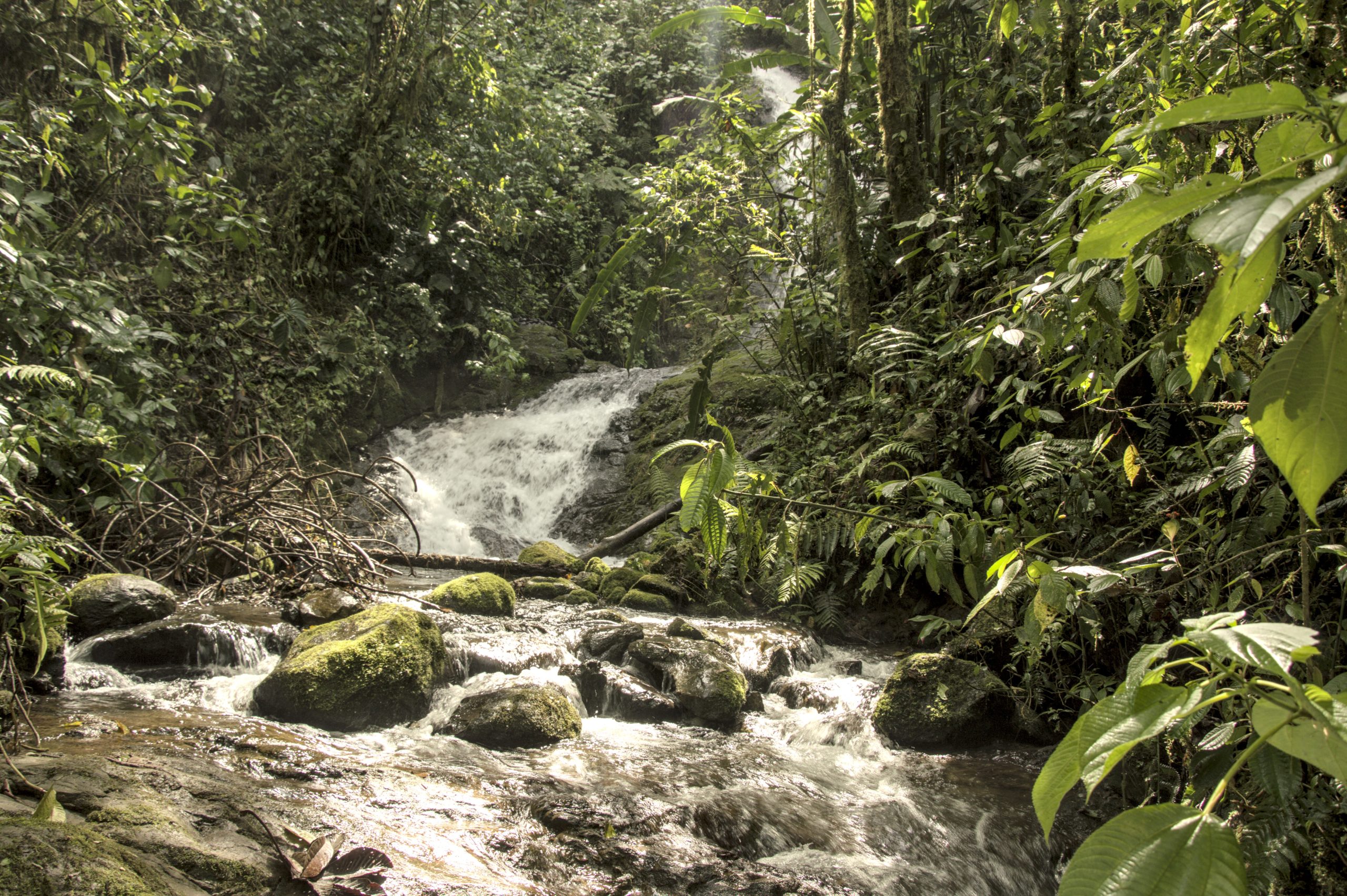
Heavy and prolonged rainfall has increased the risk of landslides, mudslides and flooding in the municipality, affecting both ecosystems and the safety of those walking in the mountains and on the municipality’s roads.
“In the reserve we have two streams. That’s one of the main risks we face because, well, the streams swell… the reserve has a bridge and that’s a very serious risk… it affected part of our facilities… washing away the bridge we use to access the area,” said Clara*.
During the recyclable collection days, the women of Recicla Ricaurte also face risks associated with high temperatures, extreme rainfall or flash floods that make it difficult for them to move around the area, and for this reason Pilar explains that they do not go out to collect materials when the rain is heavy:
We try to ensure that when there are landslides, when there is heavy rain, we don’t go out on those rounds; or when there are avalanches and the roads are blocked, well, no, we suspend operations too
The women forest rangers, however, face risks associated with deforestation and pollution that are rarely discussed, and which affect their ecological project. One is pollution:
Illegal crops use a lot of chemicals… All those chemicals from the top of the mountain run down to the lower part of the reserve, and in the reserve we grow fodder for the animals. That’s a risk due to contamination from all the spraying, because we consume the water; it’s a very high risk.
Another risk is the presence of big cats driven into the reserve, which poses an additional risk during monitoring or ecological restoration activities, as Clara explains
Well, we have a puma in the area… that’s been, well, let’s say in our area it’s dangerous, isn’t it?… we’ve seen cows killed… and as we’re in the reserve, children go there, young people go there, adults go there, they go on walks and well, that can be dangerous for us.
Environmentalists have also developed preventive measures against extreme weather events that affect their patrols and conservation areas.
We try to ensure that when there are landslides, when there is heavy rain, we don’t go out on those patrols; or when there are avalanches and the paths are blocked, well, no, the association’s activities are also suspended.
However, constant monitoring of the area is the way to anticipate environmental risks.
As we are always carrying out patrols and involved in ecological restoration processes, we monitor the condition of these tributaries; if there has been a landslide or something similar, we are effectively preventing such situations ourselves.
Without data on women defenders, there is no prevention
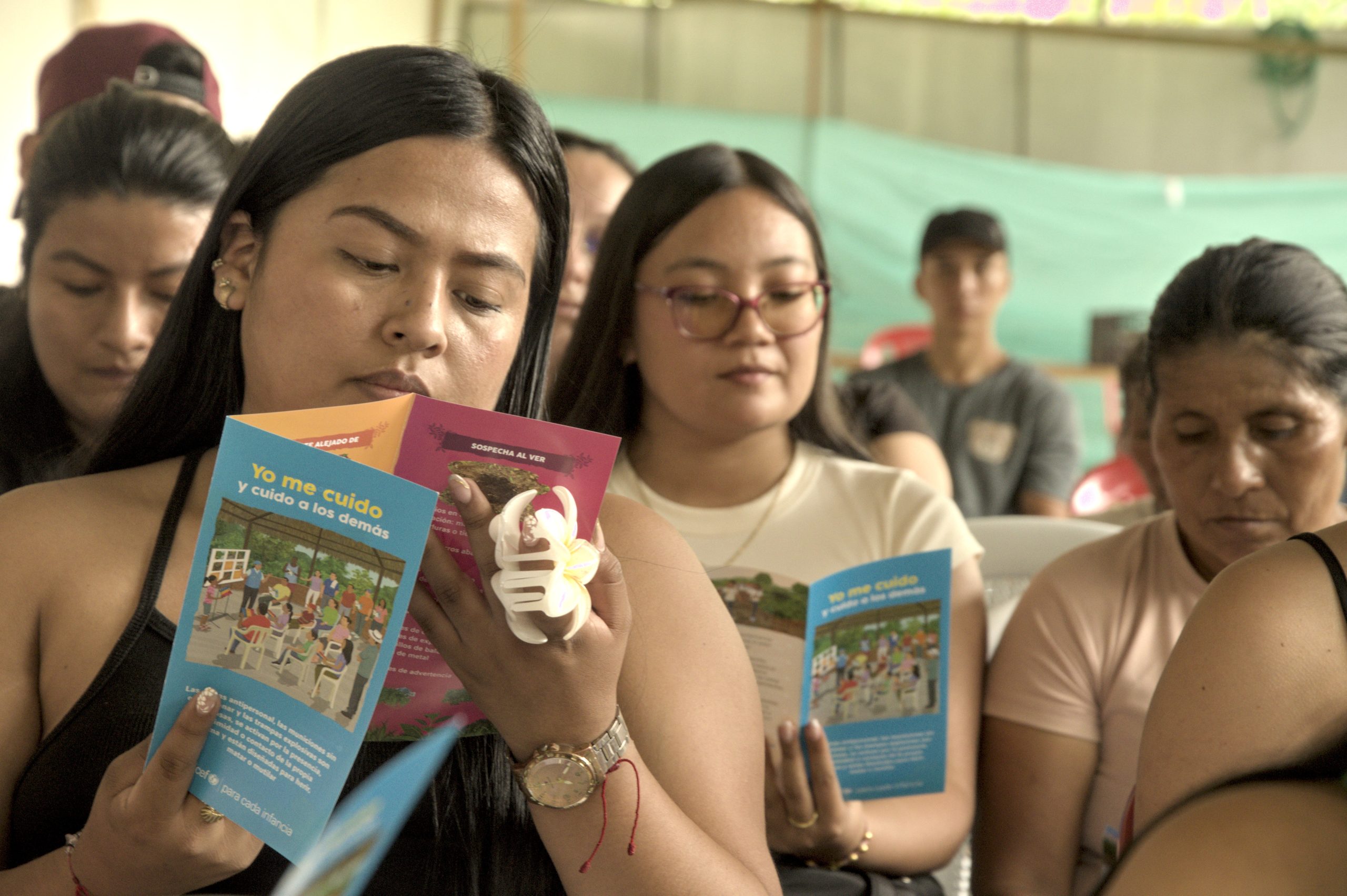
Mujeres Recicla Ricaurte por la Paz and the Los Gualpantes Nature Reserve demonstrate that women-led environmental organisations face risks stemming from armed conflict, stigmatisation and the climate crisis, but also that by sharing experiences, they collectively build forms of care that enable them to continue defending the territory and sustaining their environmental initiatives in the municipality.
This is no small feat, especially in a region where violence, environmental degradation and the climate crisis overlap. But as long as the state fails to produce clear information on who is defending the environment, what risks they face and how these risks differ among defenders—men, women and LGBTIQ+ people—prevention will remain inadequate.
The women who are restoring forests, rehabilitating rivers and preventing waste from reaching the sea are already naming these forms of violence and building their own care strategies. What is still missing is for the state to listen to them, recognise their knowledge and take action. One tool that could incorporate their insights to influence everyday life is the Escazú Agreement, but a year after Colombia signed it, it has still not been incorporated into the institutional framework, and for women defenders, there must be no delay, as Marlene Arévalo demands:
So, for us it is essential – and it was essential – that the Escazú Agreement be ratified and implemented here in Colombia. But as of today, look, it’s been over a year and nothing has been done with the Escazú Agreement.
Marlene’s demand is only fair. The 2016–2025 report on the Situation of Human Rights Defenders in Colombia, produced by the Office of the United Nations High Commissioner for Human Rights, reveals a terrifying figure. Almost 100 people have died every year over the last nine years; and for this reason, it recommended putting into practice the institutional network for the protection of defenders of the right to the environment and furthering the implementation of the Regional Agreement on Access to Information, Public Participation and Access to Justice in Environmental Matters in Latin America and the Caribbean: the Escazú Agreement.

In recognition of El Turbión’s commitment to integrity and excellence in journalism, the outlet has obtained the Certification of the Journalism Trust Initiative, promoted by Reporters Without Borders under the international standard CEN CWA 17493:2019.

Si encuentras un error, selecciónalo y presiona Shift + Enter o Haz clic aquí. para informarnos.
About The Author
